Rummy Suit Balance: A Practical Way to Protect Options

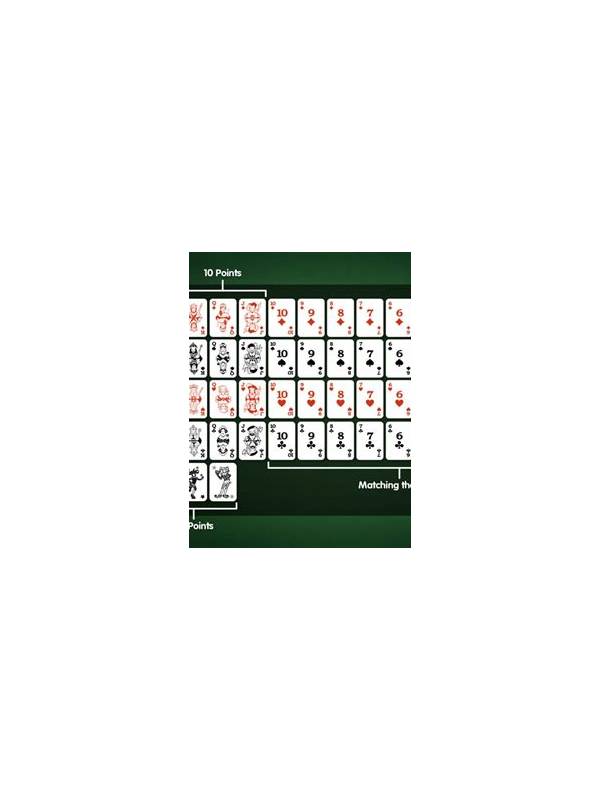
Suit balance is an overlooked part of a rummy hand. Players often notice ranks first, yet a hand with many cards from one suit can become difficult if the needed neighbors do not arrive. A balanced hand gives you more ways to form sequences and makes an early discard less costly.
Start by grouping your cards by suit, then mark every card that already belongs to a possible sequence. Do not count a random pair as a finished plan. For example, 5 and 6 of one suit are promising because either 4 or 7 may help, while two cards of different suits at the same rank have a different purpose: they may become a set. The aim is to see both possibilities before choosing a discard.
If one suit contains several disconnected cards, treat that concentration as a warning rather than an advantage. A 2, 7, and queen in the same suit are not automatically useful together. Keeping all three simply because they share a suit can leave your hand crowded with hopes. Compare them with cards that are one step from a sequence or already support a set.
Balance does not mean forcing an equal number of cards in every suit. A strong hand may naturally contain a long sequence in one suit. Instead, ask whether the remaining suits provide at least one alternative route. If your only plan depends on drawing one exact card, retain a flexible card elsewhere when the point risk is reasonable.
Review suit balance after every meaningful draw. A new card can turn a weak concentration into a real sequence, or it can make an old plan unnecessary. This quick check prevents you from following an opening idea long after the hand has changed.
Suit balance is therefore a decision tool, not a rigid rule. It helps you compare flexibility, completion distance, and penalty risk. Use it alongside the table rules and your spending limits, and remember that a clear plan is more valuable than a crowded hand.
One practical exercise is to describe the hand in three lines: strongest completed group, best unfinished group, and most expensive uncertain card. Then ask whether the suit distribution supports those observations. If one suit dominates only because of isolated cards, the distribution is disguising weakness. If it supports a completed group plus a low-cost backup, the concentration may be justified. This makes the next discard easier to explain.
Related Post
Rummy Tips: Use the Opponent’s Discard to Test Your Assumptions
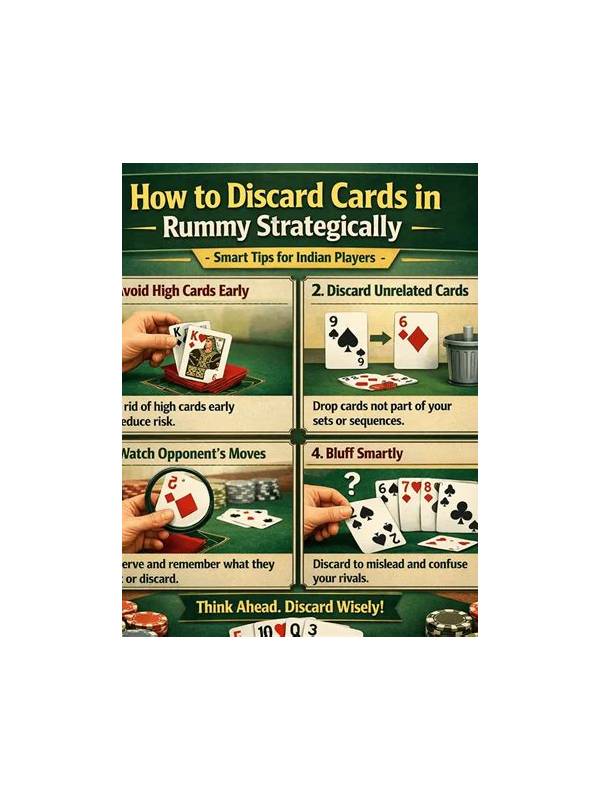
An opponent’s discard is useful evidence, but only when interpreted as a clue rather than [...]
Rummy Safety: Set a Session Budget Before Playing
A clear time and spending boundary makes online play easier to keep recreational and manageable. [...]