Rummy Safety: Recognize Pressure During a Session
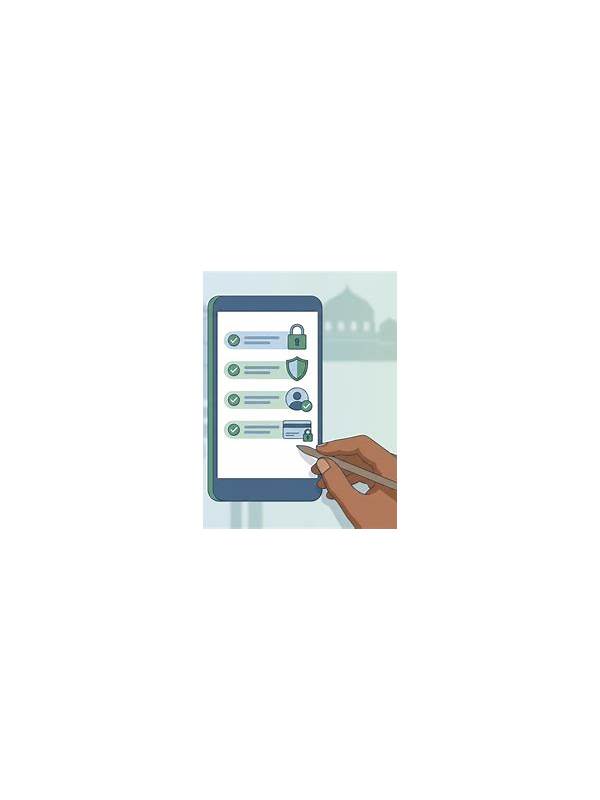
Pressure can change a rummy session before a player notices it. A rushed heartbeat, repeated attempts to recover a loss, or irritation at ordinary draws are signs that the session may no longer be recreational. Good safety practice starts with noticing these signals rather than treating them as a challenge to overcome.
Before playing, set a time limit and a spending limit that you can afford to lose. Keep these limits separate from money needed for bills, food, travel, or savings. A limit only works when it is decided before emotions become involved. If a platform offers account controls, review them in advance and use deposit, loss, or session reminders where available.
During play, watch for changes in behavior. Are you increasing stakes because the last result was disappointing? Are you skipping breaks, borrowing money, or hiding the session from people who normally help you stay balanced? These are reasons to stop, not evidence that a better hand is due. Chance does not compensate for earlier outcomes.
Create a pause routine. Leave the table, put the device down, drink water, and wait for a fixed period before deciding whether to continue. Do not make a withdrawal or deposit decision while angry or excited. If the pressure remains, end the session and talk with someone you trust. In severe cases, seek support from a qualified local service.
Safety also includes account and device habits. Use a strong unique password, avoid playing on shared public devices, and check that any payment or identity page is genuine before entering information. Never share one-time codes or allow another person to access your account.
The goal is not to remove all emotion from a game. It is to keep emotion from controlling time, money, or personal information. A planned stop is a successful safety decision, regardless of the score on the table.
It can help to write a stop sentence before starting: “If I reach my time or money limit, I will close the table.” Tell a trusted person about the boundary if that makes it easier to honor. Do not treat a temporary pause as a way to prepare for a larger comeback. The safest response to pressure is distance from the decision. When you return, review the boundary itself and adjust future sessions conservatively.
Also notice physical signs such as fatigue, poor concentration, or trouble reading the screen. These signs can be enough to end a session even when the budget is untouched. Responsible play is measured by control, not by using every minute or every available balance.
Related Post
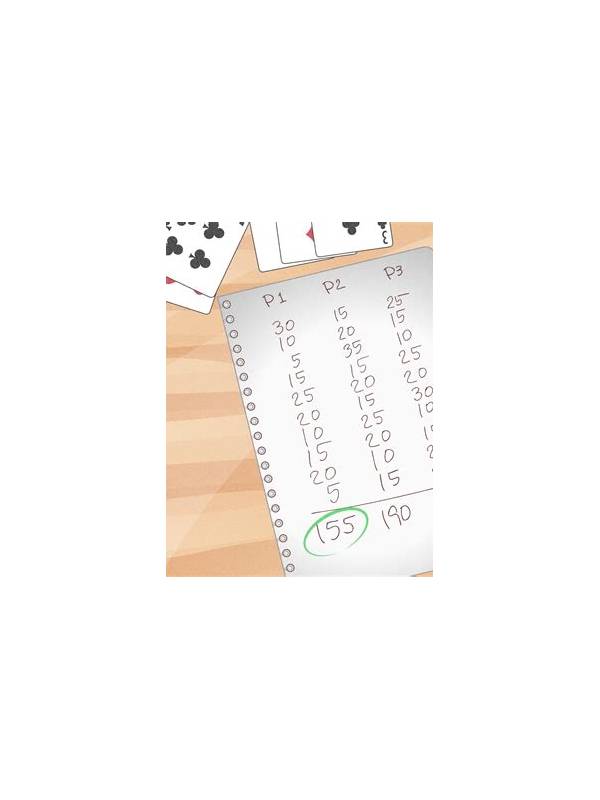
Rummy FAQ: Should You Keep a Card That Helps Two Groups?
A card with two possible uses is valuable only when those uses are realistic and [...]
Rummy Comparison: Short Sessions Versus Long Sessions
Compare short and long rummy sessions by learning quality, attention, and risk of fatigue. [...]