Rummy FAQ: How Does the Discard Pile Change Your Plan?
—
Do not let one visible card dominate the whole analysis. The pile is a sequence of clues, while your hand remains the central evidence. Use the information to adjust priorities, then return to the structures you can actually complete. Keep the review practical and brief. A clear reason is more valuable than a long explanation, because it can be tested on the next draw and revised when the hand changes.
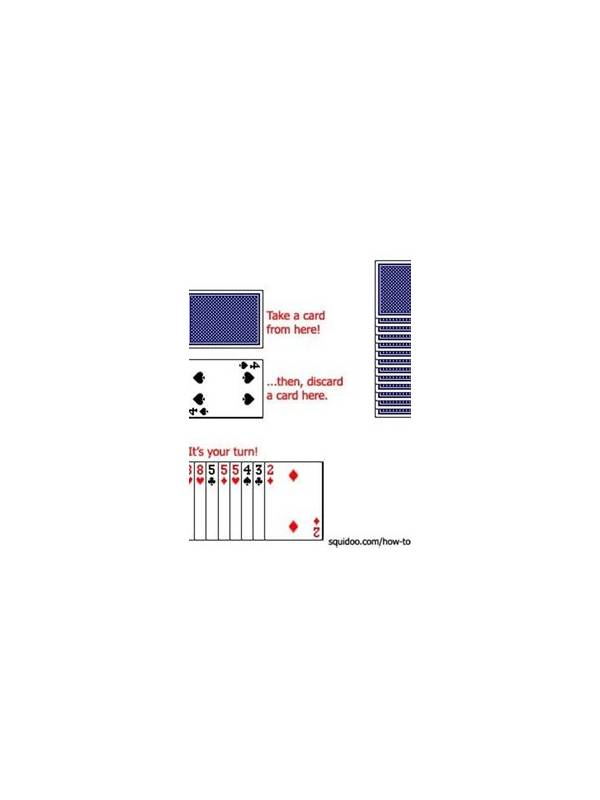
The discard pile is more than a source of cards. It is a record of choices that can help you update a plan. Its information is incomplete, but it can still show which routes are becoming less practical and which cards may be safe to release.
Begin with availability. When a needed card appears in the pile, note whether it was taken or passed. A passed card may indicate that it did not fit someone’s hand, though it does not reveal why. Several visible cards from one possible sequence can also reduce your confidence that the remaining card will arrive soon.
Next, observe timing. A card taken immediately can be more informative than a card taken after many unrelated turns. Do not assume the player has completed a particular meld; simply record that the card had value to them at that moment. This broad observation is safer than trying to read an opponent’s exact hand.
Use the pile to compare candidate discards. If one candidate is likely to help a visible opponent plan, release another when the structural cost is similar. Conversely, do not keep a bad card forever just to avoid giving information. Your own completion and point risk remain the primary concerns.
The discard pile can also trigger a reset. If the cards you expected to use are repeatedly unavailable, downgrade that plan. If a card you dismissed appears and makes a clean improvement, update the hand instead of defending the old arrangement. The pile is useful precisely because it changes what is reasonable.
Remember that public information can be misleading. A card may be passed because the player was pursuing a different variant, protecting a hidden plan, or simply making a mistake. Treat observations as clues, not proof. A flexible decision that remains good under several explanations is usually preferable to a clever guess based on one card.
Make the review routine: check what was taken, what was passed, and what your next discard would reveal. With practice, the pile becomes a calm source of context rather than a stream of distracting signals.
Related Post
Middle Cards and Their Hidden Rummy Flexibility
A practical guide to judging middle-ranked cards by their connections instead of face value alone. [...]
Rummy Suit Balance: A Simple Way to Judge Your Opening Hand
Learn how suit distribution can reveal strengths and risks before your first draw. [...]