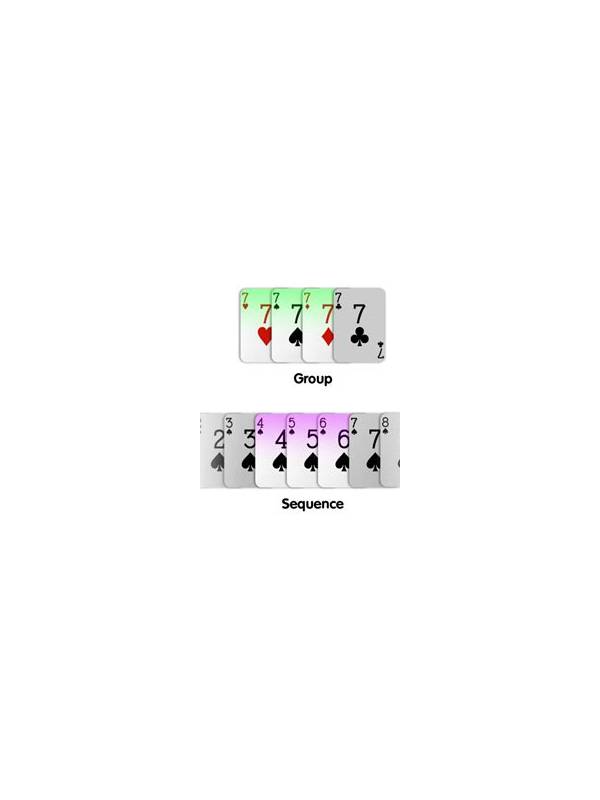
Rummy Safety: Keep Session Records Without Exposing Personal Data
—
A short, redacted note is often more valuable than a detailed archive. Keep only what you need to reproduce the lesson. This makes searching easier and reduces the privacy consequences if the notes are accidentally shared or accessed by another person. A neutral note can mention what changed, what remained possible, and why the choice was safe enough. That structure keeps the lesson reusable without turning it into a prediction or a promise. Keep the review practical and brief. A clear reason is more valuable than a long explanation, because it can be tested on the next draw and revised when the hand changes.
Session notes can improve practice, but they should not become a second source of privacy risk. A useful record describes decisions and lessons without storing information that could expose your account, identity, or finances.
Start with a narrow purpose. Record the format, the type of decision, and one lesson you want to revisit. For example, note that you held a narrow sequence too long or failed to check a rule before entering a table. There is no need to copy a username, account number, phone number, or full transaction history into a strategy journal.
Never include passwords, one-time codes, recovery answers, payment card numbers, or security screenshots. If you capture a hand for study, remove account identifiers and crop out notifications. Be careful with screen recordings because they may include private messages, balances, or other apps in the background.
Choose storage deliberately. A local notebook or protected notes application may be sufficient for simple lessons. If you use cloud storage, review sharing settings and avoid public links. On a shared device, use a separate profile or lock the notes. Delete old screenshots that no longer provide learning value.
Use neutral labels for opponents and tables. “Opponent A took a middle card” is enough; a real name or profile identifier is unnecessary. Avoid publishing live hand details while a session is in progress. Even harmless-looking notes can reveal habits when combined over time.
Review records periodically. Remove duplicates, outdated files, and accidental sensitive material. Keep a short summary of recurring lessons rather than a complete archive of every action. This reduces clutter and limits the amount of information that could be exposed if the device or account were compromised.
Privacy and practice can support each other. When notes focus on choices instead of identities or transactions, they become easier to review and safer to keep. A disciplined record helps you improve without asking your notebook to store more than it needs.
Related Post

Rummy How-To: Create a Quiet End-of-Session Routine
A quiet end-of-session routine closes play with a record, boundary check, and clear stopping point. [...]
Rummy Comparison: Short Sessions or Long Sessions?
Compare short and long rummy sessions by looking at attention, learning, cost, and stopping control. [...]