Rummy Safety: Set a Cooling-Off Rule for Wallet Decisions
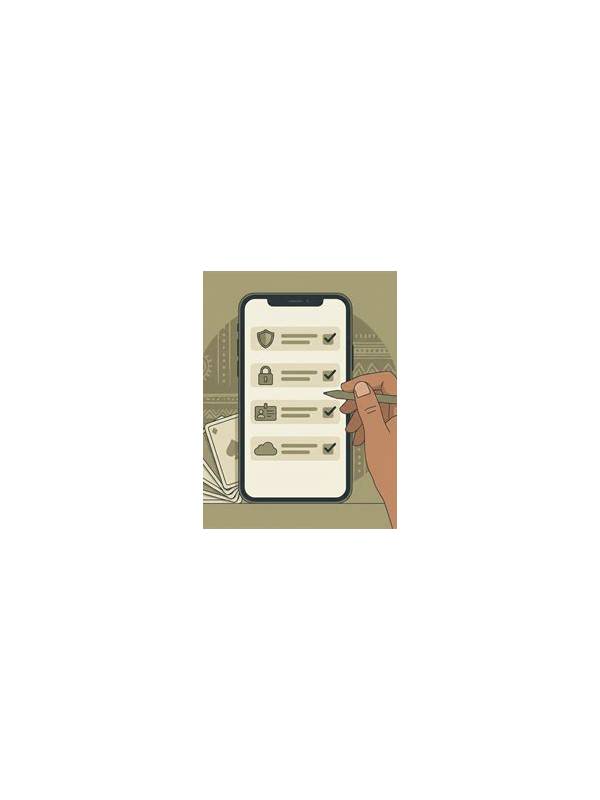
Money decisions made during an emotional game session deserve an extra safeguard. A cooling-off rule is a personal boundary that requires you to wait before adding funds, raising a stake, or changing a preset limit. The rule is easiest to follow when written before you begin, while your judgment is calm.
Choose a pause that feels practical, such as ten minutes away from the screen or the end of the current session. During that pause, do not browse promotions or watch the table. Drink water, check the time, and ask whether the decision fits the budget you set earlier. If the answer depends on winning the next hand, the pause has revealed a warning sign.
Keep the rule specific. “I will be careful” is difficult to apply. “I will not add funds during a session” is clear. Another option is a 24-hour wait for any increase to a weekly limit. Use the strongest version that matches your circumstances, especially if play has started to feel urgent or difficult to stop.
Technical safeguards can support the rule. Use platform limits when available, avoid storing payment details on shared devices, and keep transaction alerts enabled through your bank or payment provider. Never send one-time codes, passwords, or verification details to someone claiming to offer account assistance. A legitimate support process should be checked through the official service channel.
Do not treat a cooling-off rule as a strategy for recovering losses. It is a safety boundary, not a way to improve the odds of a later hand. If you have exceeded a limit, stop and review your plan rather than trying to balance the result immediately. Talk to someone you trust if money or time spent playing is becoming difficult to control.
The most useful rule is one you can apply without negotiation. Put it in a note before opening a table, and decide what happens if you break it: stop for the day, disable access temporarily, or seek support. A calm, predetermined pause turns a pressured wallet decision into a deliberate choice.
Review the boundary periodically when you are away from the table. A budget should account for ordinary expenses and should never depend on a hoped-for result. If you cannot comfortably afford the preset amount, lower it or choose free practice instead. The pause is doing its job when it gives you space to make that assessment without pressure. Write down the rule in plain language and tell yourself exactly when it begins. Clarity matters most when a session has become tiring.
Related Post

Rummy FAQ: Does a Safe Discard Stay Safe?
A card that looks harmless now can gain value later, so safe discards should be [...]
Rummy FAQ: How Do You Compare Cards With Equal Points?
Equal point values do not make cards interchangeable, so compare their connections, flexibility, and release [...]