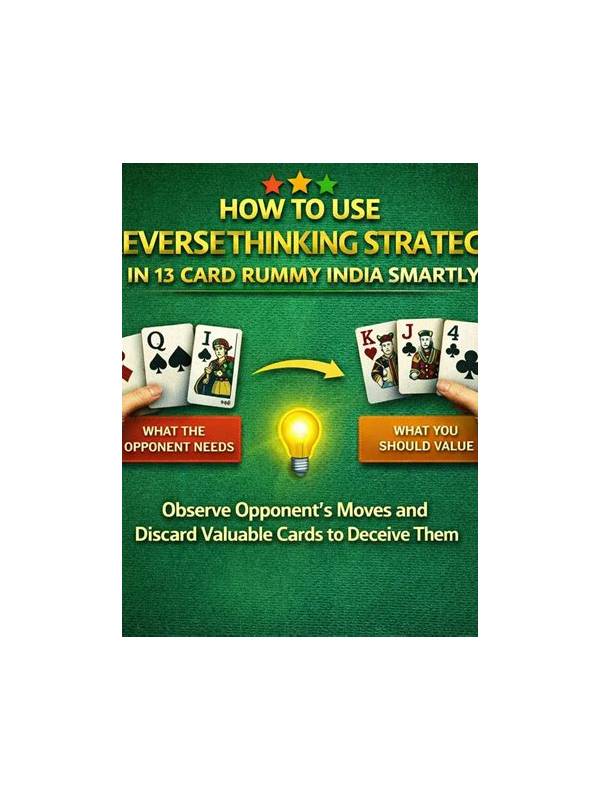
Rummy Comparison: Open Information Versus Private Notes

Players often choose between remembering visible card changes and writing brief private notes. Memory keeps play simple and fast, while notes can reduce confusion during a long session. The best choice depends on the table rules, the device, and how much information you can comfortably process.
Memory works well when the hand is short and the visible changes are limited. You can notice which cards were discarded and use that knowledge to avoid repeating a weak plan. It requires no extra tools, but details can blur after several turns, especially when multiple suits and groups compete.
Private notes can help you record a neutral fact such as “hearts sequence improved” or “pair still unresolved.” They are useful for practice and review, but they must not contain passwords, payment details, or personal information. Follow the table’s rules and do not use notes to obtain information you are not allowed to access.
Compare the methods by purpose. If you need a quick decision during a timed turn, memory and a simple hand layout may be better. If you are studying a sample hand after play, notes can expose patterns that were easy to miss. For live play, keep notes short enough that they do not distract you from the current action.
Whichever method you choose, record decisions rather than imagined certainties. “Discarded a connector” is useful; “opponent must need this suit” is speculation. Separating observation from inference improves both accuracy and sportsmanship.
The goal is not to track everything. It is to preserve the few facts that affect your next legal decision. Use the lightest method that keeps you oriented, and stop taking notes if they create pressure or violate the service’s rules.
If you use notes during practice, review them for clarity after the hand. Could another reader tell which facts were observed and which were guesses? Could the note be shortened without losing the decision? This editing step turns a pile of impressions into a repeatable learning tool. In a live setting, however, your attention and the rules of the table always take priority over documentation.
Some players can remember a short sequence better by grouping events: a completed group, a discarded connector, and a new unresolved pair. This is often easier than memorizing every card in order. Use whichever method reduces mental load, and never assume that observing a discard proves what another player held. Good tracking supports your own legal choices; it does not justify speculation or distraction.
Related Post

The Ultimate Guide to the Best Roulette Tracker App for Gamblers
The Ultimate Guide to the Best Roulette Tracker App for Gamblers Are you a roulette [...]
Rummy Opponent Observation: Use Visible Information Carefully
Observing discards can provide context, but careful players avoid treating limited evidence as certainty. [...]