Rummy Tips: Separate Table Noise From Useful Signals
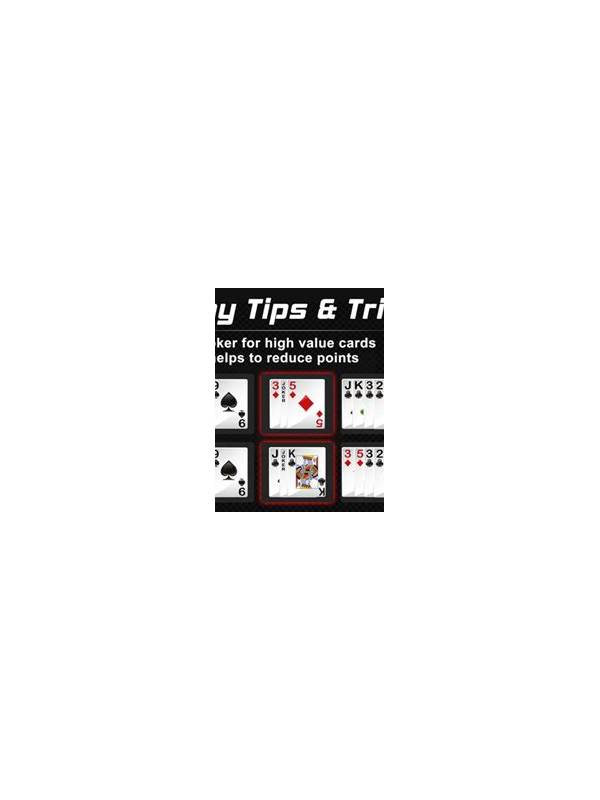
Online tables can produce a lot of information: avatars, timers, chat messages, animations, discarded cards, and changing status labels. Not all of it deserves equal attention. A useful discipline is to divide what you see into three categories: direct facts, possible clues, and noise.
Direct facts include the cards you hold, the visible discard, the rules of the format, and actions that actually occurred. Build decisions from these facts first. Possible clues include a player taking a card from the open pile or repeatedly releasing a certain rank. Such clues may support several explanations, so keep them secondary.
Noise is anything that changes your emotion without improving your information. A dramatic animation, a boast in chat, or a fast timer can create urgency, but it does not tell you which card belongs in your hand. Mute chat or disable nonessential notifications if the interface allows it. You can also lower visual distractions before joining a table.
When a new signal appears, ask two questions: What exactly did I observe? What decision would change because of it? If you cannot answer the second question, set the signal aside. This prevents you from constructing elaborate stories about another player’s hidden cards.
Keep your own turn routine stable. Sort the hand, identify the strongest current group, compare the open and closed draws, and select a discard with a stated reason. A consistent routine acts like a filter: relevant information enters the decision, while theatre and speculation remain outside it.
After the round, review only the facts you could have known at the time. Do not judge a decision using hidden cards revealed later. This distinction improves learning and reduces hindsight bias. Calm attention is a practical advantage in any game, and it begins with deciding which information is worth your time.
If the table becomes distracting, take a neutral reset: look away from the screen, breathe slowly, and reread your current groups. Do not let another player’s speed dictate your action. A clear decision based on direct facts is preferable to a fast decision based on atmosphere. If concentration does not return, use your preset stop rule. You can make this easier by writing the three direct facts you care about before the round starts: your groups, the visible discard, and the format requirement. Everything else can wait until those facts have been considered. This filter is valuable even in a friendly game because clear attention improves review and keeps small interface distractions from becoming rushed choices.
Related Post
Rummy Safety: Check Device Privacy Before Opening a Table
A quick privacy check reduces accidental exposure of account and payment information on shared devices. [...]
Rummy Table Focus: Remove Distractions Before Playing
A distraction check can improve attention and help keep an online rummy session within its [...]