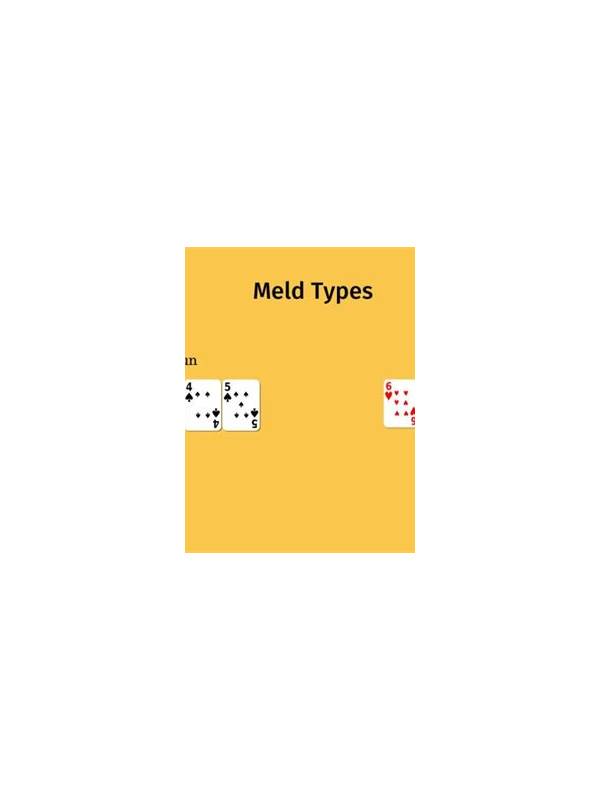
How to Compare Two Incomplete Rummy Sequences
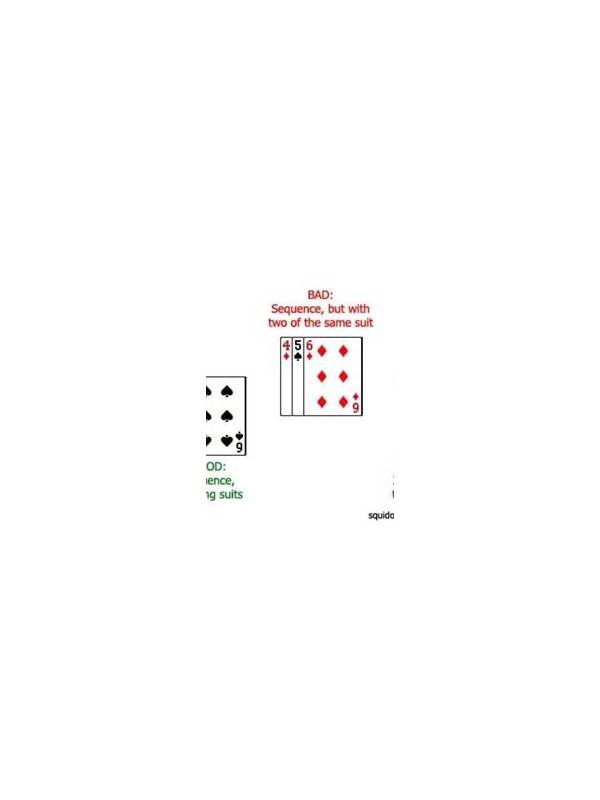
Two incomplete sequences can make a rummy hand look more promising than it really is. The better plan is not always the one with the most cards already touching. Compare each possibility by connection, flexibility, and cost before committing your next draw.
First, count the exact missing links. A pair such as five and six needs a four or seven, while a wider pattern such as four, six, and seven needs a five to become consecutive. The number matters, but it is only the starting point. A plan needing one precise card may be fragile if few copies are likely to remain. A plan with two possible connecting cards may be more flexible even when it currently has fewer cards.
Second, inspect overlap. If one card can serve either of two arrangements, it has option value. Do not automatically lock that card into the first sequence you notice. Keep a short mental list of the roles each card could play, and release a card only when one role clearly outweighs the others. This is especially helpful when a joker or wild card is available, because the wild card can preserve a difficult connection while natural cards form a safer structure.
Third, calculate the discard cost. Choosing one sequence may force you to keep an isolated high card or break a useful pair. Compare the whole hand, not just the two cards in front of you. A slightly slower sequence may be preferable if it lets you remove costly deadwood and leaves several reasonable future draws.
Fourth, consider timing. In a slow early hand, flexibility can be worth more than immediate neatness. Later, when an opponent appears close to declaring, a plan with fewer required steps may be more practical. Check the rules and scoring format as well, since a failed declaration or a high-value leftover can change the risk of waiting.
Make the comparison concrete: missing links, possible connectors, overlap, discard cost, and time. Then choose one primary plan and keep one backup. This prevents endless rearranging while allowing you to respond when the next card changes the balance.
It also helps to name the condition that would make you switch. For example, you might continue with a two-way connector until both of its useful neighbors disappear from view, then reconsider the pair supporting your backup. This rule keeps you from changing plans after every ordinary draw. Write the comparison down during practice, and review whether the selected route actually offered more live options than the alternative. With repetition, the questions become quick enough to use naturally.
Related Post
Rummy Safety: Verify Rules Before Playing a New Format
Confirming format rules, scoring, and settlement details prevents avoidable mistakes in unfamiliar rummy games. [...]
Rummy Bonus Expiry Dates: A Checklist for Reading Promotions
Rummy Bonus Expiry Dates: A Checklist for Reading Promotions offers practical guidance for clearer, safer, [...]