Rummy FAQ: Can Every Pair Become a Useful Set?
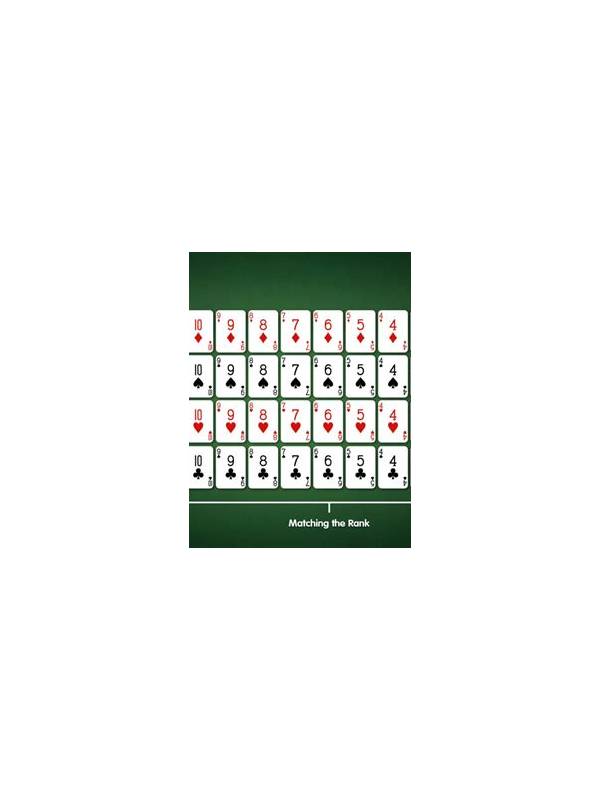
A pair is a starting point, not a promise. Two cards of the same rank may become part of a set if another matching card appears, but waiting for that card can be costly. The right decision depends on how many alternatives your pair has and whether keeping it blocks a more useful arrangement.
Does a pair have to stay together? No. If the cards are also close in rank and suit, one may support a sequence while the other remains available for a set. Separating them can feel inefficient, but preserving two possible routes may be stronger than protecting one uncertain combination. Check the exact rules for the game you are playing before relying on a particular grouping.
When is a pair worth keeping? It is more attractive when the rank has several unseen copies, the cards are low-risk to hold, or one card connects naturally with another group. It is less attractive when both cards are high-value deadwood, when your required sequence is missing, or when the pair has survived several turns without gaining support.
What if another player discards the same rank? That may improve the set possibility, but it may also be bait, coincidence, or evidence that the card is not useful to them. Consider the timing and your own needs. Taking a card solely because it completes a pair can leave the rest of the hand disorganized.
How should a joker affect the decision? A wild card can make an incomplete arrangement more flexible, but its exact use should follow the platform’s rules. Do not assume it solves every requirement. Protect essential natural sequences first if the rules require them, and use a joker where it removes the largest structural obstacle.
The practical answer is to review the pair after each meaningful draw. Ask whether it has gained a second route, whether it is costing points, and whether releasing one card improves the whole hand. Pairs deserve attention, but they do not deserve automatic protection.
During practice, place a small mark beside every pair you keep and record what eventually happened to it. Did a third card arrive, did one card join a sequence, or did the pair remain deadwood until the end? This is not a prediction exercise; it is a way to learn how often a pair deserves another turn in your preferred format. Use the result to improve your future comparisons, while remembering that a short sample cannot establish a universal rule.
Related Post
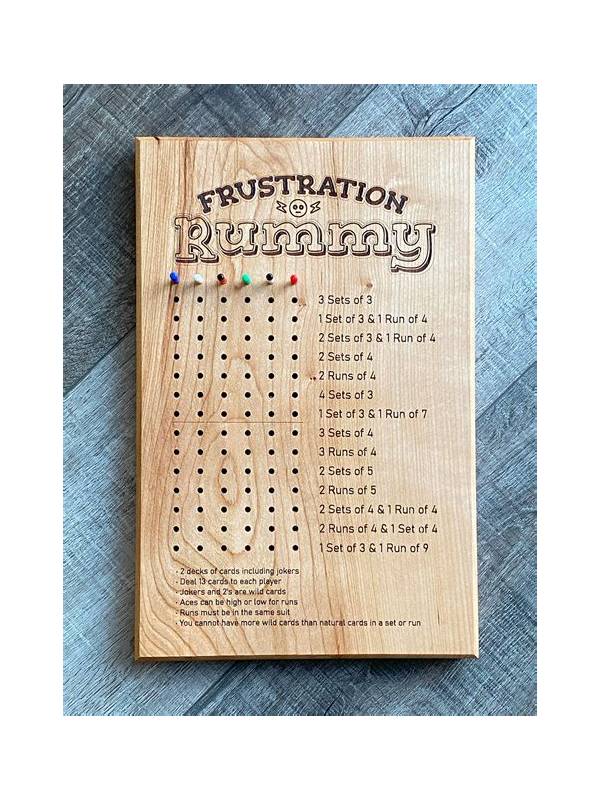
Rummy Comparison: A Narrow Plan or a Broad Plan?
Narrow and broad hand plans suit different situations, and the best choice depends on repair [...]
How to Set a Rummy Practice Goal You Can Measure
Turn vague rummy practice into a measurable exercise with one behavior, one limit, and one [...]