Rummy Strategy: Give Every Loose Card a Deadline

A loose card is not automatically a bad card. It may connect to a useful sequence, complete a set later, or keep two plans open. The problem begins when a player keeps it simply because it might become useful someday. Giving each loose card a deadline creates a calm rule for deciding when possibility has lasted long enough.
Start by identifying the card’s actual support. Write down the ranks or suits that would improve it, then ask whether those improvements are realistic under the table rules and the information already visible. A middle card may have several neighboring options, while an edge card may need a much narrower route. Do not count every imaginable combination equally. A card that needs two specific unseen cards deserves a shorter deadline than one supported in several ways.
Next, choose a review point. It might be after two draws, after the first full circuit, or when the hand reaches a particular number of cards. The exact point is less important than deciding it before frustration or attachment takes over. When the review arrives, compare the card with your current best discard. Keep it only if its support has improved, it still serves a clear plan, or removing it would damage a stronger group.
The deadline is not a promise to discard blindly. New evidence can justify extending it. For example, a helpful open card may make the route much stronger, or a new card may turn the loose card into part of a natural sequence. Record the reason for an extension in one short phrase: “new connector,” “better information,” or “protects complete group.” If you cannot name a reason, the original deadline should stand.
This method also prevents the opposite mistake: discarding every unmatched card too quickly. A deadline gives flexible cards time to prove their value while stopping vague hope from controlling the hand. It works especially well in practice because you can review whether the card improved your position or merely survived several turns.
Use the rule as a decision aid, not as a guarantee of results. Rummy contains uncertainty, and a correct deadline can still lead to an unlucky draw. The useful lesson is whether your choice followed visible evidence, a defined time limit, and the rules of the format. That process makes future loose-card decisions faster and easier to explain.
You can also use different deadlines for different roles. A card carrying many points may receive a shorter review window, while a low-point middle connector can wait a little longer if it supports two credible routes. Write the deadline beside the card in practice, then check whether the rule reduced hesitation. If you kept extending it without new evidence, shorten the next window. If you discarded useful cards too early, make the test more specific rather than abandoning the method.
Related Post
Rummy How-To: Create a Personal Discard Vocabulary
A few consistent labels can make hand reviews clearer and reveal recurring mistakes in your [...]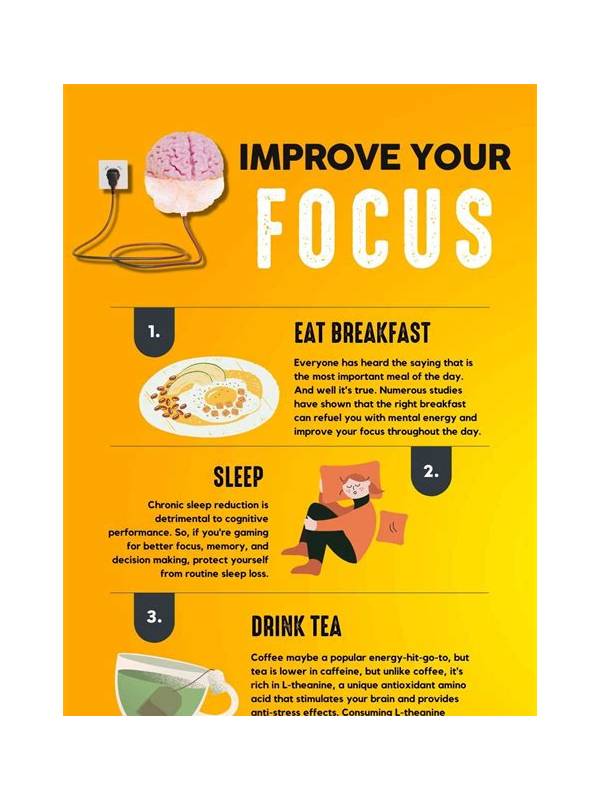
Rummy Safety: Protect Your Focus During a Long Session
Short breaks and simple environment checks help prevent fatigue from turning into costly mistakes. [...]