Rummy Guide: Turn a Crowded Hand Into Clear Groups
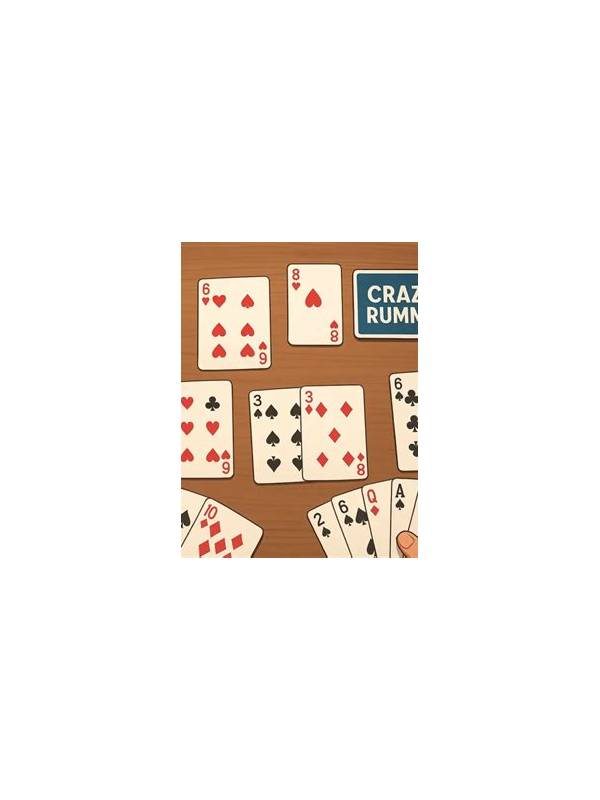
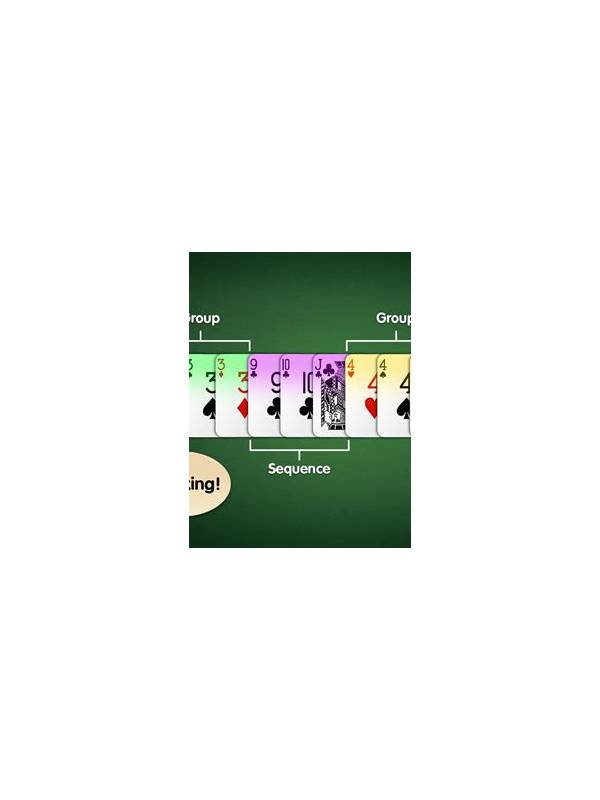
Many rummy hands look confusing because several cards appear to belong to more than one possible group. The answer is not to force a declaration immediately. A short sorting routine can reveal which cards are useful now, which are conditional, and which are simply expensive passengers.
Start by placing cards into suit order, then mark neighboring ranks with a small gap between them. A run of three is obvious, but two adjacent cards deserve only a light mark. They are a possibility, not a finished plan. Next, look for repeated ranks across different suits. Those cards can become a set, although using one in a run may be more valuable.
Now divide the hand into three labels: confirmed group, promising connection, and loose card. A confirmed group already meets the format’s requirement. A promising connection needs one realistic card. A loose card has no immediate relationship to another card. This simple language prevents a pair from feeling more complete than it really is.
Compare promising connections by their number of useful outs. A middle pair may connect on both sides, while an edge pair may have only one direction. A repeated rank may have several matching suits, but some copies may already be visible in discards. Do not count every theoretical card as equally available. Visible information changes the quality of a draw.
Choose one main plan and one backup. The main plan should use the strongest confirmed group and the most flexible connection. The backup should preserve a different route rather than repeating the same hope. When a draw supports neither route after several turns, release the weakest connection instead of protecting it because it was your first idea.
Before discarding, ask three questions: What does this card currently improve? What does keeping it prevent me from doing? If I draw nothing helpful next turn, can I discard it safely? The questions turn a crowded hand into a decision rather than a guess. Practice the routine with random hands and record which early labels changed. Over time, you will become faster without treating every pair as a promise. Before discarding, ask three questions: What does this card currently improve? What does keeping it prevent me from doing? If I draw nothing helpful next turn, can I discard it safely? The questions turn a crowded hand into a decision rather than a guess. Practice the routine with random hands and record which early labels changed. Over time, you will become faster without treating every pair as a promise.
One useful variation is to use physical or on-screen spacing consistently. Keep confirmed groups together, leave one gap around each promising connection, and place loose cards at the far edge. Consistent placement reduces the chance that a visual cluster will be mistaken for a legal group. It also makes later reviews faster because the same layout language works for every hand.
If the hand changes after a draw, do not simply add the new card to the nearest cluster. Remove the old labels, place the new card, and sort once more. This small reset prevents an early arrangement from controlling your judgment. The best grouping is the one that describes the current evidence, not the one you happened to see first.
Related Post
Rummy Guide: Build a Personal Mistake Taxonomy
Categorizing recurring rummy errors turns vague frustration into specific practice targets. [...]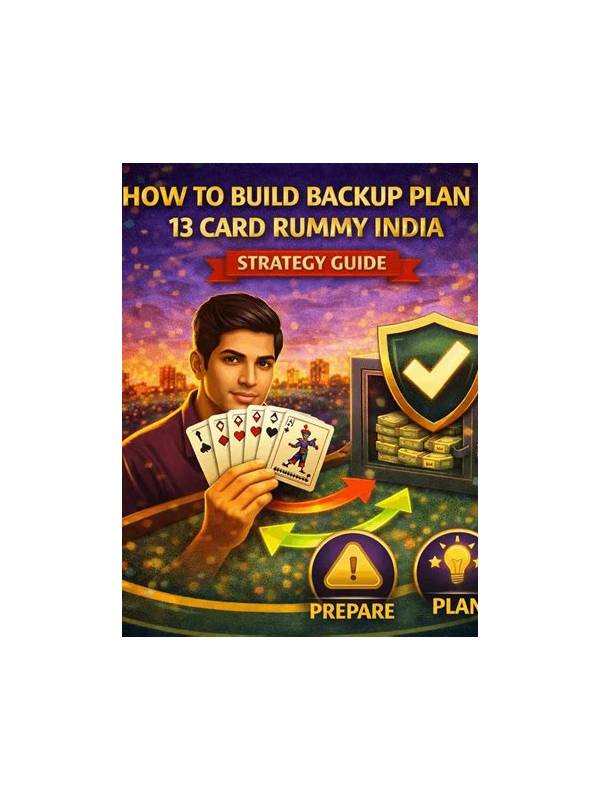
Rummy FAQ: How Many Backup Plans Are Too Many?
One practical backup is usually more useful than a hand divided among several unsupported ideas. [...]