Rummy FAQ: Can an Ace Connect at Either End?
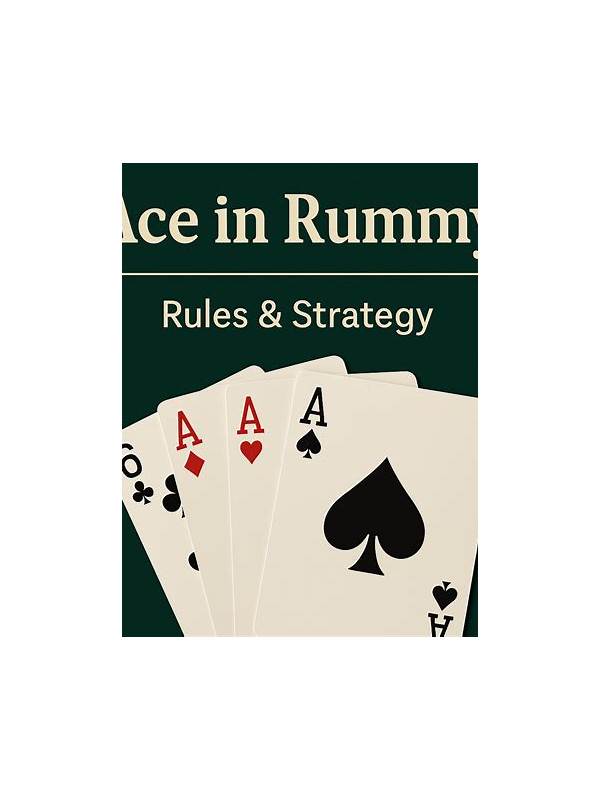
Players often ask whether an ace can connect to both a two and a king in a rummy sequence. There is no universal answer. Different rummy variants define sequence order differently, and a platform may publish its own rules. Confirm the rule set before treating an ace as a flexible bridge.
In many common formats, an ace can be used as a low card in ace-two-three or as a high card in queen-king-ace, but it cannot wrap around to connect king-ace-two. Other variants may restrict the ace to one position. A hand that looks complete under one rule can be invalid under another.
Check the rules in three places. Start with the table information or help panel for the format you selected. Then look for examples of valid and invalid sequences, since examples often clarify wording. Finally, if a dispute matters, use the official support or rules page rather than relying on a screenshot from an unrelated game.
When planning a hand, treat an ace as a low-flexibility card until verified. It may still be useful in a clear sequence, but it usually has fewer neighboring options than a middle card. Holding several unconnected aces can therefore create a heavy point burden or occupy space needed by more adaptable cards.
Do not infer legality from the visual arrangement alone. Digital tables may allow you to move cards into a group before checking the declaration. The final validation is what matters. If the interface provides a preview or warning, read it carefully, but remember that you remain responsible for knowing the format’s requirements.
If you play multiple variants, make a small rule note before starting: required pure sequences, ace placement, joker treatment, and scoring of unmatched cards. This takes less than a minute and prevents a familiar rule from silently carrying over to a different game.
The practical answer is simple: an ace connects only where the selected rules allow it. Verify first, plan second, and never build an entire declaration around an assumed wraparound sequence. This question is especially important when moving between physical and digital tables. Familiarity with one interface can make an invalid arrangement feel normal in another. Make the rules note part of your opening routine, just as you check the entry fee, scoring method, and number of cards.
Related Post
Rummy Comparison: Written Notes Versus Memory After a Hand
Written notes and memory serve different review purposes, and combining them can produce a more [...]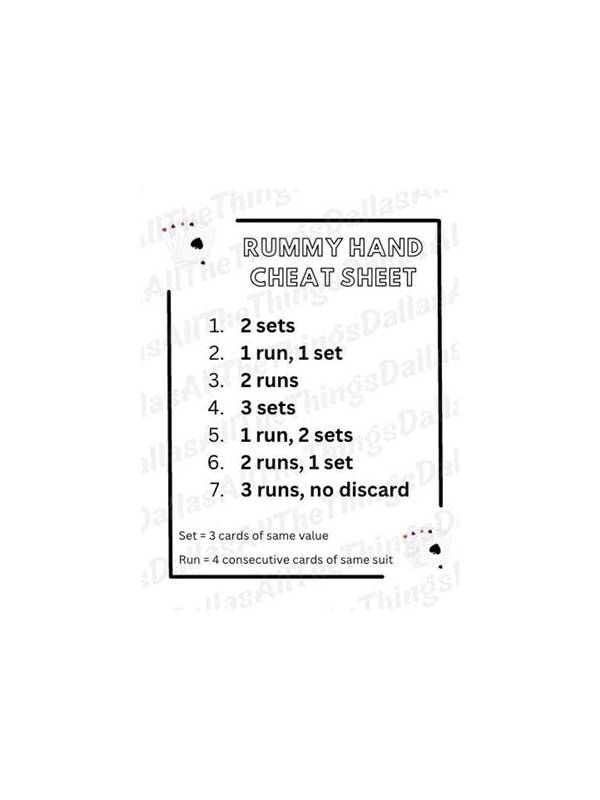
Rummy How-To: Review a Hand Using a Decision Timeline
Reconstruct a rummy hand as a timeline to learn which decisions were reasonable at the [...]