Rummy How-To: Check a Declaration Before Confirming
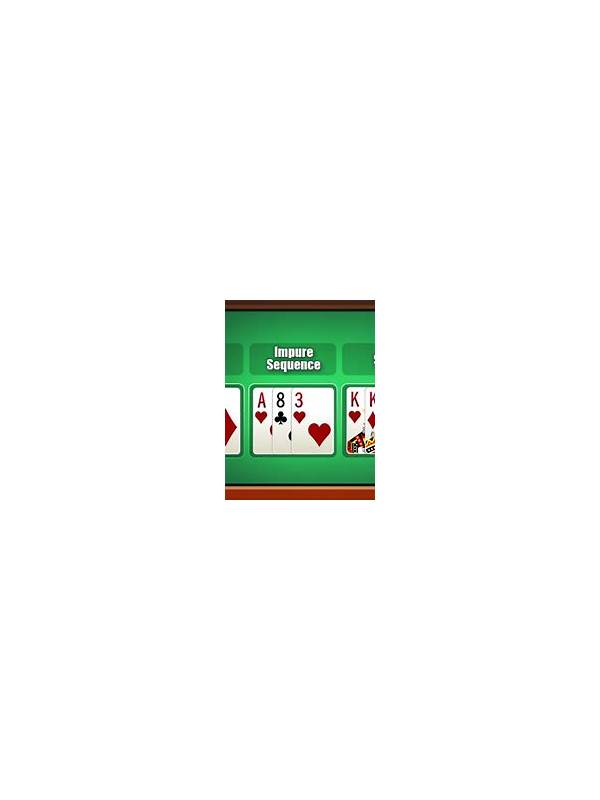
Before confirming a rummy declaration, perform a fixed scan instead of trusting the first arrangement that looks complete. The exact requirements vary by format, but a repeatable check reduces avoidable errors. It also helps you separate a valid structure from a hand that merely contains several attractive groups.
Start by counting the required groups. Lay out the hand so each proposed sequence or set is visible, with unmatched cards placed separately. Do not count a card twice. A card cannot usually serve two groups at once, even when it appears to connect both arrangements.
Next, verify the pure requirement if the format has one. A pure sequence normally uses consecutive cards of the same suit without a joker substituting for a missing card. Check every card, not just the endpoints. A group with an apparently correct shape may still contain a suit mismatch.
Then review joker placement. Ask which card each joker represents and whether that use is permitted in the group. A joker can make a group appear finished while another required group remains incomplete. If you can form a valid declaration without using a joker in a questionable place, choose the clearer arrangement.
Count the remaining cards and compare them with the format’s hand size. This catches a common visual mistake: an overlooked card may be sitting beneath another group or outside the main sorting order. If the interface displays a score preview, use it as an additional check rather than as a substitute for the rules.
Finally, pause for one breath and read the confirmation text. Confirming quickly after a lucky draw can turn excitement into an accidental submission. If the platform offers a review screen, inspect the grouped cards there. When anything is unclear, do not guess; consult the table rules.
This routine should become automatic: count, verify purity, inspect jokers, check remaining cards, and read the confirmation. It takes only a few seconds and protects the result from a preventable arrangement error. A declaration check cannot change the cards, but it can improve the quality of the final decision. If the hand is not valid, avoid confirming simply because the timer is low. An incomplete declaration can be more costly than one additional careful turn, depending on the format. Learn the table’s penalty policy beforehand so your review is based on the actual rules rather than panic.
Related Post
Rummy FAQ: How Long Should You Keep a Two-Card Connection?
A two-card connection deserves time only when its possible completions and holding cost remain reasonable. [...]
Rummy Table Comparison: Private Practice and Public Play
Private practice and public rummy tables serve different learning needs, so choose by the skill [...]