Rummy Safety: Set a Session Stop Signal in Advance
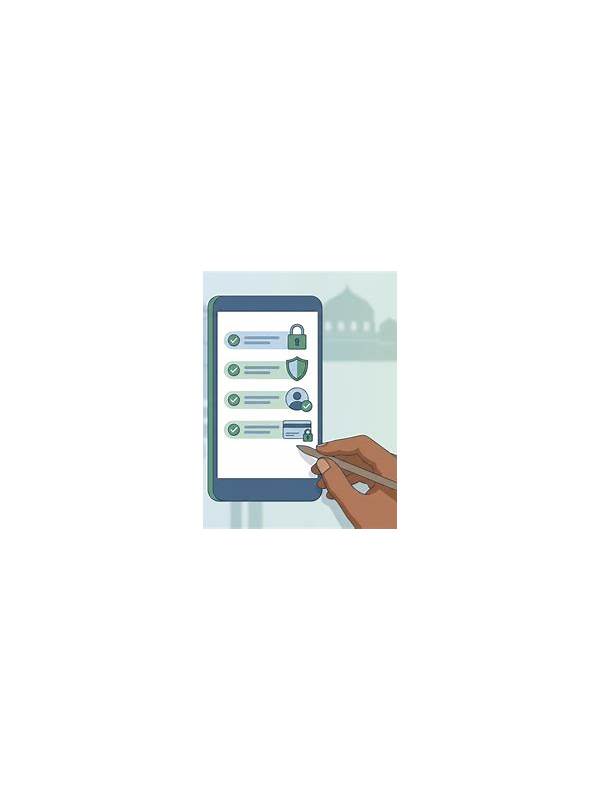
Responsible play is easier when the stopping decision is made before emotions become intense. A stop signal can be a time limit, a number of deals, a spending boundary, or a personal condition such as losing focus. The important part is that it is clear, observable, and decided in advance.
Choose a signal that does not depend on your current result. “Stop after I win” can encourage continued play after a loss, while “stop after forty minutes” applies in both directions. If money is involved, set a separate spending limit and treat it as a ceiling, never as a target to use completely.
Make the signal easy to notice. Use a timer, a calendar reminder, or a written note beside the device. If the platform provides session controls or deposit limits, review them before starting. These tools work best when they cannot be casually extended in the middle of an emotional moment.
Define what happens after the signal. Close the table, record the result if you want to learn from it, and move to a planned offline activity. A next step prevents the empty pause in which you might reopen the app automatically. Do not continue simply to recover a disappointing result; that changes a limit into a negotiation.
Watch for earlier warning signs as well. Irritation, hurried decisions, repeated checking of the balance, hiding play from others, or difficulty stopping are reasons to pause immediately. You do not need to wait for the timer if your state has changed. Take a break, and seek support if play is interfering with finances, sleep, work, or relationships.
A stop signal is not a judgment about skill. Strong players also need boundaries because attention and energy vary. The purpose is to protect the quality of the activity and keep it within a planned place in your day.
Write the signal down before the first deal. When the signal arrives, follow it without debate. Consistency turns a good intention into a practical safety habit. If another person shares financial responsibilities with you, keep the boundary transparent and separate from household essentials. Never borrow, sell necessities, or use credit to continue. A stop signal should protect ordinary life, not merely organize the next opportunity to play.
Related Post
Rummy Safety: Make a Budget Before a Competitive Session
A pre-session budget can keep entertainment spending separate from impulse decisions during online play. [...]
Rummy Guide: Rank Plans by Number of Unresolved Tasks
Counting unresolved tasks offers a practical way to compare rummy hand shapes beyond simple group [...]