Rummy How-To: Make a Small Evidence Ladder
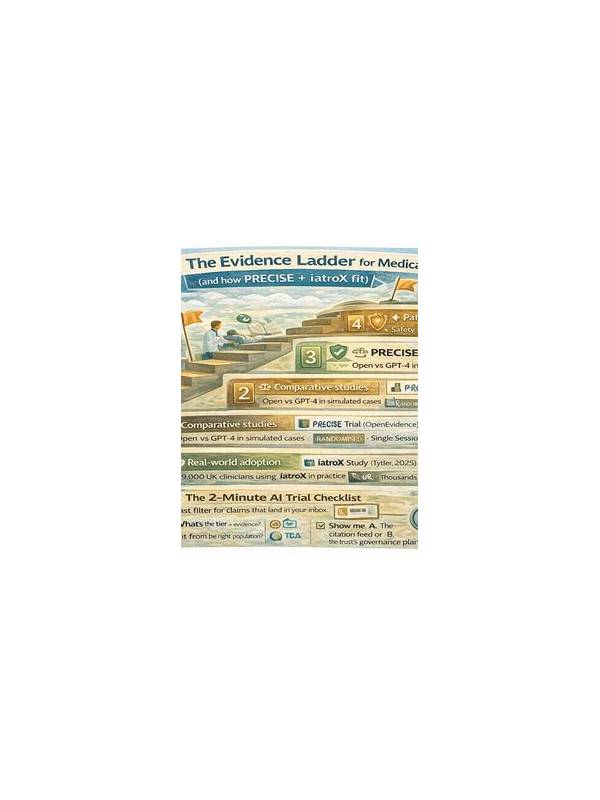
An evidence ladder is a simple way to rank what you know during a rummy round. It prevents a visible discard or pickup from becoming an elaborate story. Use three levels: fact, inference, and guess. The ladder can be mental or written during practice.
Facts are directly observable. A card was discarded, a card was taken from the open pile, a group is visible, or a rule states that a natural sequence is required. Record these without adding intention. Facts form the stable bottom of the ladder and should carry the most weight.
Inferences are reasonable explanations supported by one or more facts. A player may have less immediate use for a discarded suit, or a pickup may indicate interest in a particular rank. Label these as possibilities, not certainties. An inference can guide a close choice, but it should not overturn a strong legal plan without more support.
Guesses go beyond the available evidence. They include claims about a hidden hand, a guaranteed next draw, or an opponent’s complete strategy based on one action. Guesses can be imaginative and sometimes correct, but they are weak foundations for a risky decision. Keep them separate so they do not borrow the authority of facts.
Before a discard, ask which level is influencing you. If a guess is doing most of the work, return to your own hand structure and compare the options again. After the round, review whether later cards confirmed or contradicted your inference. The goal is not to eliminate uncertainty; it is to give each piece of information the weight it deserves.
The ladder can also improve conversation after a disagreement. Say which fact you observed, which inference you made, and where uncertainty remains. This is more productive than claiming that a hidden hand was obvious. In solo practice, write one example at each level after a round. With repetition, you become faster at noticing when a confident statement has skipped the fact level. That awareness helps you protect your own plan while still making use of table information.
Related Post
Rummy How-To: Test a Plan With a Neutral Draw
Imagining a neutral draw shows whether a rummy plan has resilience or depends on constant [...]
Rummy Strategy: Compare Cards by Replacement Cost
Replacement cost helps players choose between loose cards by measuring how difficult each one would [...]