Rummy Guide: Turn a Loss Into One Actionable Lesson
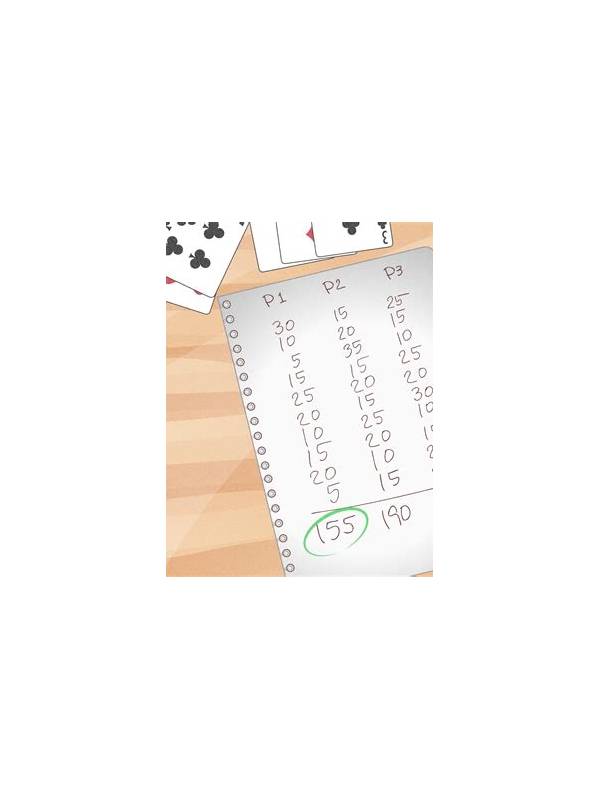
Losing a rummy round can produce a long list of imagined mistakes. Most of that list will not help. A better review extracts one actionable lesson and tests it in future practice.
Wait until the emotional response has settled. Then reconstruct the round in broad stages: opening, middle, and end. Mark the first moment when your plan changed. Was it a useful draw, a dangerous discard, an overlooked rule, or simple loss of attention? The first turning point is often more useful than the final losing move.
Describe the decision with the information available at the time. Avoid statements such as “I should have known the opponent had that card” when the evidence was weak. Instead write, “I chose a narrow sequence despite having a flexible alternative.” This wording identifies a behavior you can change without pretending the outcome was predictable.
Now select one lesson that can be observed. “Play better” is too broad. “Set a two-turn deadline for an exact-card plan” is testable. “Check the declaration requirement before the final draw” is testable. “Pause after two rushed turns” is testable. Write the lesson as a rule beginning with “When…” and ending with an action.
Apply the rule for several practice rounds, including situations where it may not help. Record whether you followed it and what happened. If the rule creates new problems, refine it. Learning is not proving that the losing hand had one magical answer; it is improving the quality of your next choice.
End the review by noting one thing you did well. This is not empty encouragement. It preserves useful behavior, such as protecting a complete sequence or stopping when concentration dropped. Balanced records are easier to trust and make it less likely that frustration will distort your next session.
If the loss involved a rules question, separate that issue from the strategy review. Look up the official rule before evaluating the move. If it involved a technical problem, record the interruption and do not treat the resulting hand as a clean test of your play. Good diagnosis starts by distinguishing a decision error from circumstances outside the decision. If you cannot agree with yourself about the best move, record two plausible choices and the information that would favor each. That uncertainty is itself a lesson: perhaps your hand sort was unclear, or the table rules were not familiar. A future practice round can target that exact ambiguity instead of repeating the same broad complaint.
Related Post
Rummy Guide: Count Information Before Counting Possibilities
A hand becomes clearer when you separate known card evidence from attractive but unsupported possibilities. [...]
Rummy Safety: Set a Session Spending Cap Before You Start
A predefined spending cap can make paid rummy sessions easier to control and easier to [...]