Rummy Tips: Compare Two Plans Before Committing
A promising pair or connector can capture your attention too quickly. Before committing, compare it with one alternative plan using the same questions.
For each plan, identify the cards already working, the cards still needed, and the cost of keeping the plan. A sequence idea may need one of several nearby cards. A set idea may need a repeated rank but can be vulnerable if duplicates are scarce. Do not count every theoretical completion; count the completions that leave a legal and manageable hand.
Then assess flexibility. Can the cards serve another structure if the first draw misses? Does the plan preserve a natural sequence requirement? Would one discard destroy your only reliable progress? A plan with slightly slower progress may be stronger if it keeps more exits open.
Add a deadline to each option. You might test a narrow plan for two turns, then release its weakest card if no evidence appears. A flexible plan may deserve longer because it can absorb several kinds of draws. Deadlines stop comparison from becoming endless analysis.
Finally, consider the table context. A card that looks attractive in isolation may be exposed because of recent discards. A plan that reduces high-point cards may be sensible when another player is close to finishing. Adjust the comparison to the rules and score rather than applying a fixed ranking.
You do not need to calculate exact odds for every hand. A side-by-side check of progress, flexibility, cost, and deadline is enough to slow impulsive commitment. Once you choose, play the plan clearly and reassess when new information arrives.
During review, compare the plan you chose with the best alternative you could reasonably see then, not with an ideal line revealed by later cards. This distinction keeps the exercise fair. The aim is to improve comparisons under uncertainty, because that is the skill each new hand actually requires. Keep the comparison symmetrical. Give both plans the same attention to legal completion, point exposure, flexibility, and likely next actions. Otherwise you may favor the plan you already prefer by describing its upside in detail and its cost vaguely. A short checklist makes the comparison fair enough for ordinary play. When both plans appear close, prefer the one you can explain and monitor. A plan with a clear next check is easier to abandon responsibly than one based on a vague hope. After the round, write whether the comparison changed your choice. If it did not, the exercise may still have clarified why the original plan was stronger.
Related Post
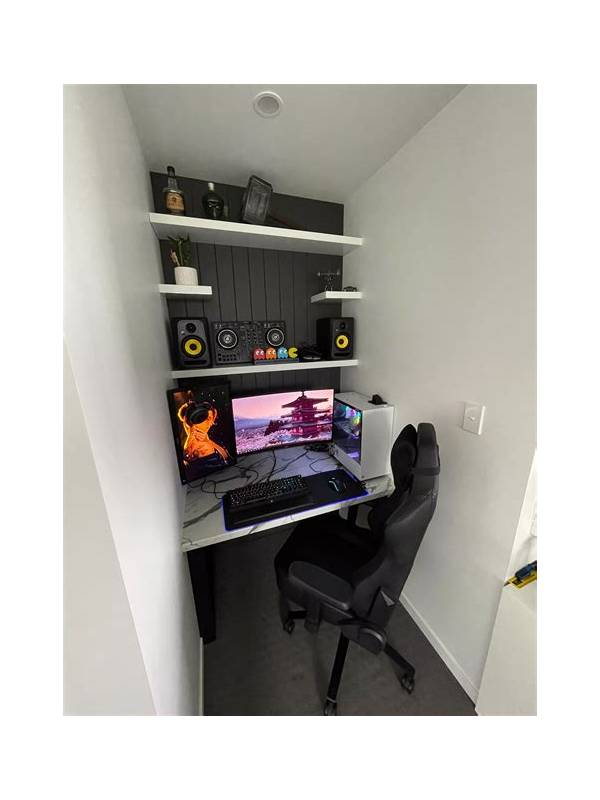
A Low-Stress Rummy Session Setup for Small Spaces
Arrange a small play area and device so that rummy decisions remain comfortable and visible. [...]
Rummy How-To: Label Every Group by Its Missing Link
A quick hand-organization technique that shows which cards each unfinished group actually needs. [...]