Rummy Guide: Annotate the Discard Pile in Three Layers
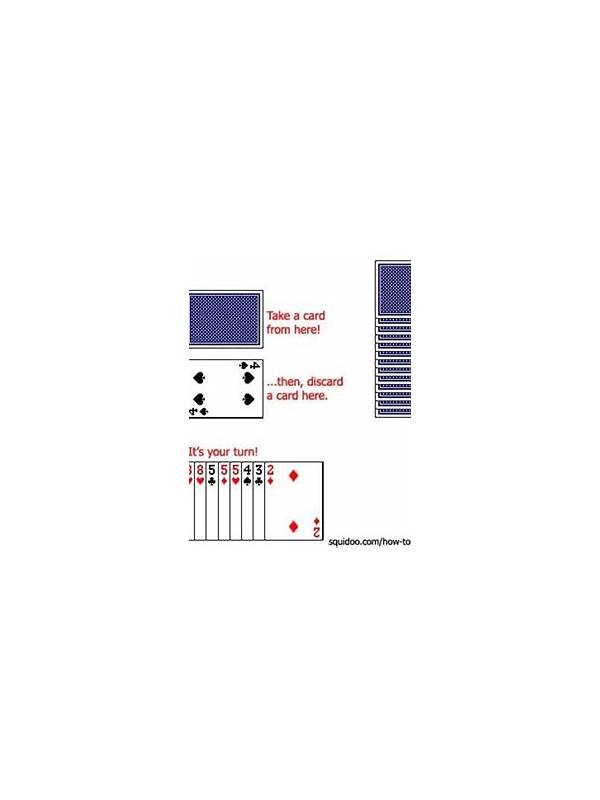
The discard pile contains information, but trying to remember every card can overload a rummy player. A layered note is a simpler method. Instead of recording everything, separate visible cards into cards relevant to your hand, cards that may help another player, and cards that are currently neutral. This keeps observation connected to decisions.
Layer one is personal relevance. Mark cards that would complete or extend one of your plausible groups. If you need a seven of a particular suit, seeing it discarded tells you that route is less likely to improve through the open pile. It does not make the route impossible if multiple decks or copies apply, but it changes how much patience you should give it.
Layer two is opponent relevance. Notice repeated pickups and cards that appear to match a player’s recent choices. Record only a small pattern, such as “two cards from one suit” or “same rank collected twice.” Avoid writing a detailed imagined hand. The purpose is to avoid offering an obvious extension when you have a similarly safe discard, not to reconstruct another player’s hidden cards perfectly.
Layer three is neutral information. These are cards that neither improve your plan nor show a meaningful table pattern. You can usually ignore them after a quick glance. This layer matters because it gives your attention permission to move on. Not every discarded card deserves a theory.
Update the layers after each turn, but clear stale notes when the hand changes. A card that was relevant before you pivoted may no longer matter. If you use an external note, keep it free of personal account details and remove it after practice. On a live table, mental labels may be safer and faster than typing.
Use the annotations to compare discards, not to chase certainty. If a card helps your hand and seems useful to an opponent, weigh the alternatives and your own point exposure. If your only reason to keep a card is that another player might want it, your plan may be too reactive. The discard pile is a source of evidence; your legal structure remains the decision’s foundation.
After several rounds, review which layer actually changed a good decision. Simplify the system if it becomes distracting. Effective observation should make your choices clearer and calmer, not turn every turn into a memory contest. Distinguish a card you saw from a card you inferred. Write “discarded seven” only when it was visible, and keep “may hold eight” as a separate hypothesis. This prevents guesses from quietly becoming facts and makes review more honest.
Related Post
Rummy Safety: Set a Spending Boundary Before You Play
A clear pre-session spending boundary helps keep game decisions separate from financial pressure. [...]
Rummy Safety: Recognize When a Session Is Too Distracting
Recognizing distraction early helps players protect attention, privacy, and decision quality during online rummy. [...]