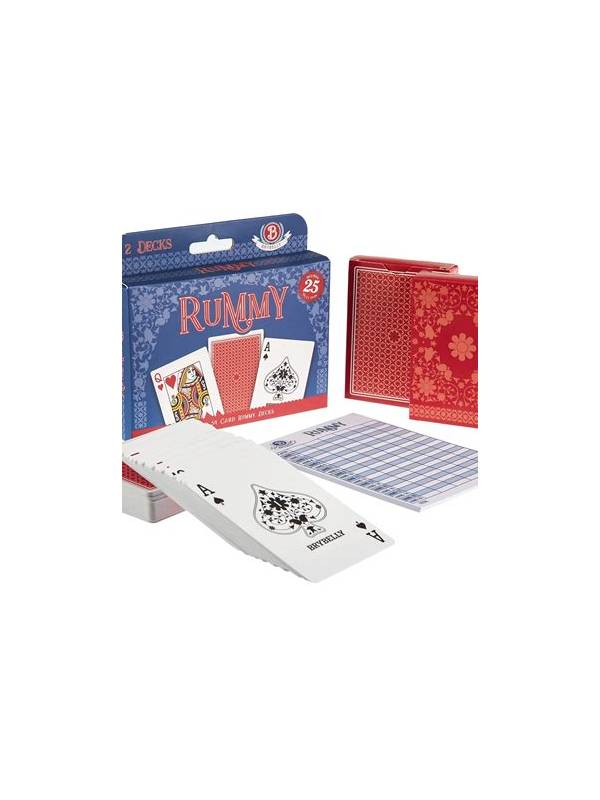
Rummy Safety: Keep Practice Stakes Truly Optional
Practice is most useful when it gives you room to observe decisions without pressure. If a practice session includes optional stakes, make sure they are genuinely optional. You should be able to stop, lower the amount, or switch to a free mode without feeling that you have failed.
Define practice success before beginning. It might be noticing discard patterns, completing a review log, or following a time limit. If success is defined only as winning or recovering a loss, the session can quickly become emotionally expensive. Skill development depends on repeatable behaviors, not one result.
Keep any spending boundary separate from your improvement goal. Set a maximum amount beforehand, use only discretionary funds, and never borrow to continue. Losses should not be treated as evidence that another round is necessary. If you reach the limit, end the session or move to a no-cost exercise such as sorting sample hands.
Be cautious with promotions, bonuses, and invitations that create urgency. Read conditions carefully and do not share passwords, payment information, or verification codes with people who promise special access. Use official support channels, and check age, location, and legal requirements before using a real-money feature. If the information is unclear, pause until it is clear.
Watch your behavior for warning signs: hiding the amount of play, skipping essential tasks, playing while distressed, or repeatedly extending a planned session. These signs call for a break and possibly outside support. A trusted person or a local responsible-gambling service can help you review limits without judgment.
A strong practice routine protects the conditions needed for learning. Keep sessions short enough to remain focused, take breaks, and end when the budget or time limit says to end. The cards are a training tool; they should not determine whether you feel compelled to continue.
Consider scheduling practice when you are rested and unlikely to be interrupted. Keep water nearby, take a short break between blocks, and decide in advance what will end the session. If you cannot follow the boundary today, skip the paid feature and use a free review exercise. Protecting the routine is more important than completing one extra round. If a limit becomes difficult to follow, pause the activity and seek appropriate support instead of treating the difficulty as a reason to continue. Practice remains useful when the objective is learning a repeatable process, not proving that one more round can repair an earlier result.
Related Post

How to Verify a Yono Rummy App Before Installing It
A practical verification guide for comparing Yono Rummy app listings, domains, publishers, permissions, and terms. [...]
Rummy Safety: Create a Stop Signal Before Playing
A pre-set stop signal makes it easier to end a recreational rummy session on time. [...]