Rummy Practice: Rebuild a Hand Using Only Three Anchors
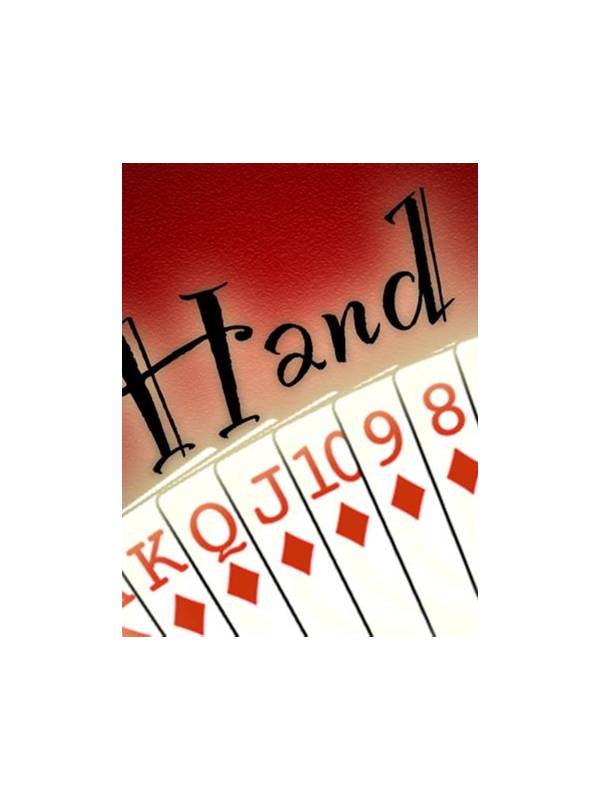
A useful practice drill is to rebuild a sample hand using only three anchors. An anchor is a completed group, a strong two-card connection, or a natural group that needs one clearly identified card. The exercise teaches prioritization when many combinations compete for attention.
Write a hand on paper or use a set of cards. Give yourself a short time to sort it normally, then remove the layout. Choose exactly three anchors and place them apart from the remaining cards. For each anchor, write why it deserves protection. “Already valid,” “two natural connectors,” and “one-card completion” are better reasons than “looks promising.”
Now assign every unanchored card to one of three labels: supports an anchor, supports another possible plan, or has no current job. Do not create more than two new groups. If a card could fit several places, choose the assignment that leaves the fewest unassigned cards. This forces you to compare opportunity costs instead of keeping every possibility alive.
Next, simulate five draws. Make each draw deliberately useful, neutral, or awkward. After every draw, you may replace one anchor, but you must explain the change. Did the card complete a group? Did it make an old route impossible? Did it create a broader plan with a lower cost? If the answer is only that the new card is attractive, keep the original anchor.
Finish by selecting a discard without using point value first. Choose the card whose removal harms the fewest anchors and reveals the least useful information. Then use point value as a tie-breaker. This order is important because it prevents the common habit of discarding a low card that is secretly doing structural work.
Review the drill with three measurements: number of completed groups, number of loose cards, and number of exact missing cards. A strong rebuild normally improves at least one measurement without severely worsening another. Repeat with a new hand and change the order of the simulated draws.
The exercise does not predict the hidden deck or guarantee a result. Its purpose is narrower: to make your reasoning explicit. With repetition, you will sort a live hand faster, identify the cards that deserve protection, and abandon weak ideas earlier. Keep practice free of unnecessary stakes so the focus remains on learning the decision process.
Make the drill harder by revealing simulated draws one at a time. After each reveal, commit to a provisional discard before seeing the next card. This trains you to work with incomplete information, which is closer to a live hand than studying the final layout all at once.
Related Post
Rummy Guide: Separate Card Quality From Card Fit
A card can be strong in isolation but a poor fit for the particular hand [...]
Rummy How-To: Create a Quiet End-of-Session Routine
A quiet end-of-session routine closes play with a record, boundary check, and clear stopping point. [...]