What to Do When an Online Rummy Turn Timer Feels Too Short
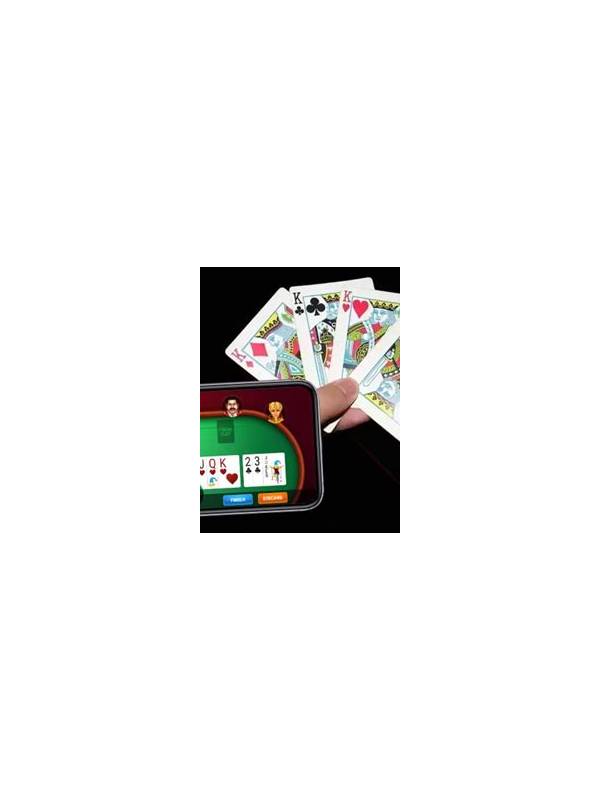
A short turn timer can make an ordinary rummy decision feel like an emergency. The best response is to improve the order of your thinking before the clock starts. You cannot control every timer, but you can reduce the time spent searching for a method.
Organize your hand in a consistent way. Sort cards by suit, then place possible sequences beside one another. Keep likely sets in a separate mental or visual group. When every turn begins with the same arrangement, you spend less time rediscovering relationships. If the platform offers automatic sorting, check that it does not hide a useful cross-group possibility.
Use a priority order. Look first for a pure sequence, then check whether existing groups can be extended, and only afterward consider speculative rearrangements. This order reflects the importance of a valid structure. It also prevents you from spending the whole turn on a high-value set while ignoring a missing requirement.
Before the timer becomes urgent, identify a provisional discard. This is not a commitment to throw that card away. It is a backup decision that prevents a panic discard if no better draw arrives. A high-cost isolated card is often a reasonable provisional candidate, but keep any card that is the only bridge in a realistic sequence.
Avoid making a complicated reorganization during the last seconds. A rushed layout change can cause you to overlook a completed group or select the wrong card. If you are uncertain, choose the move that preserves the most flexibility and leaves the lowest avoidable penalty. Learning to accept a solid move is part of timer management.
You can also practice with a stopwatch away from live play. Deal a small sample hand, allow yourself a fixed amount of time, and explain your intended draw and discard aloud. Review whether the explanation followed the same priority order. The goal is not to become hurried; it is to make routine checks automatic.
If the timer is consistently incompatible with your experience level, choose a slower table or a practice mode when available. A suitable pace supports learning and reduces emotional pressure. Good timing begins before the clock starts, with a clear system and a prepared fallback.
It is also worth checking whether a slow interface is causing the pressure. Close unnecessary overlays, use a stable connection, and learn where the draw and discard controls sit. If buttons are difficult to distinguish, accessibility settings may help. Technical preparation cannot guarantee a good hand, but it prevents avoidable seconds from being lost to navigation. When the timer ends, accept the outcome and review the setup later rather than letting one rushed turn define the entire session.
Related Post
Rummy Guide: Use a Hand State Snapshot Before Drawing
A brief hand snapshot clarifies what a new draw needs to accomplish before you react [...]
Rummy How-To: Explain a Discard Without Outcome Bias
A structured explanation separates what was known at the time from what the later draw [...]