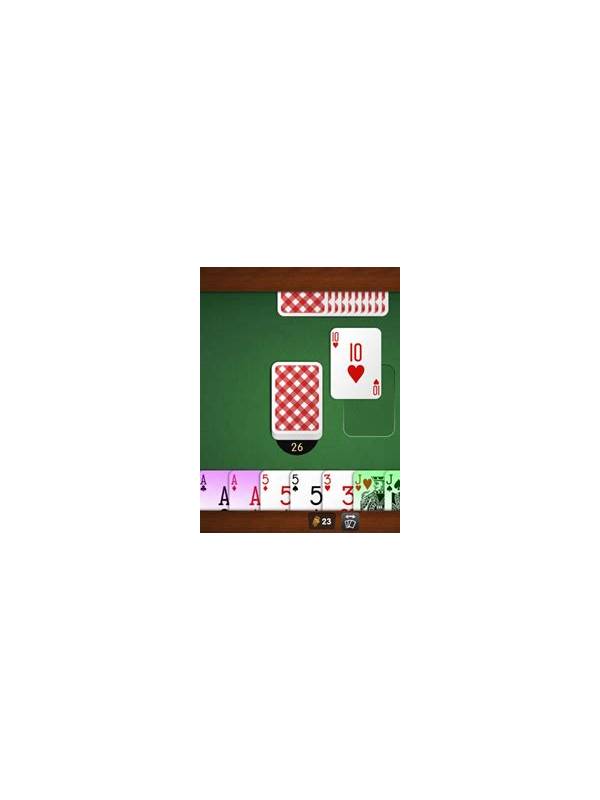
Rummy How-To: Use a Two-Column Hand Map
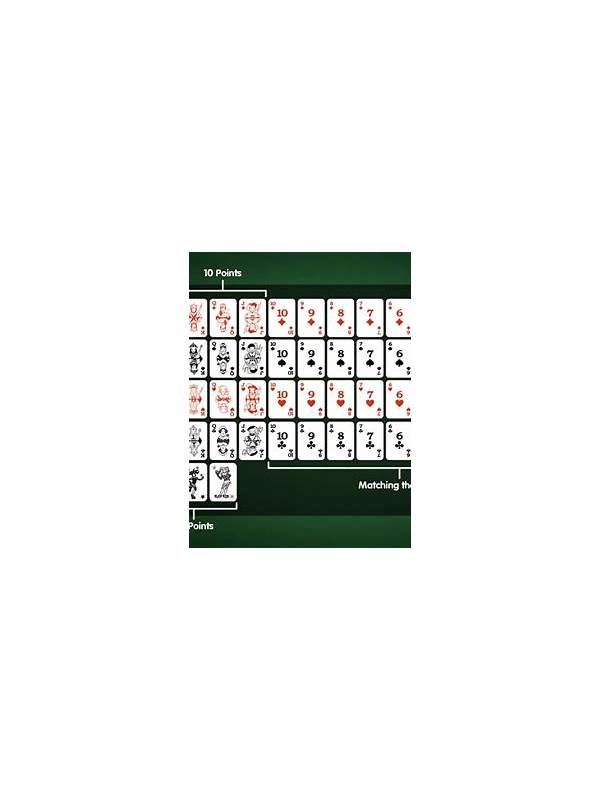
When a rummy hand feels crowded, the problem is often not the cards themselves but the lack of a clear picture. A two-column hand map is a quick way to make that picture visible. It separates cards that already have a reasonable role from cards that are merely possible. The method works for practice or play-money tables and does not depend on predicting the exact next draw.
Start by writing two headings: “Supported” and “Unconfirmed.” Under Supported, place a pure sequence, a likely sequence with several connected cards, or a set that has a realistic completion path. Under Unconfirmed, place isolated cards, attractive pairs, and combinations that need several specific cards. Do not call a group complete simply because its cards sit next to each other in your hand; ask whether it meets the format’s actual declaration rules.
Next, add a small note beside each unconfirmed group. Record the number of useful cards that could improve it and whether drawing one would force a difficult rearrangement. A middle card may connect on both sides, while an edge card may have only one useful neighbor. This distinction keeps “looks promising” separate from “has many practical routes.”
After each draw, update only the affected row. Move a group to Supported when its structure becomes dependable, or move it back when a new arrangement reveals that it was borrowing a key card from another group. This prevents a common mistake: treating the first arrangement as a permanent plan.
The map also improves discards. A high-point card in Unconfirmed deserves attention, but so does a low-point card that consumes a flexible connector. Compare penalty with opportunity cost. If an unconfirmed card has no clear route and blocks a stronger arrangement, releasing it may be sensible even when its printed value is modest.
Add a deadline beside each uncertain group, such as “recheck after two turns.” When that point arrives, compare its actual support with the best alternative. This prevents optimism from becoming an unlimited commitment and keeps the map useful when a joker or shared connector complicates the layout.
Keep the exercise short. A useful map can be made in under a minute, and its purpose is clarity rather than decoration. At the end of a session, review one decision: which card stayed in Unconfirmed too long, and what evidence would have justified releasing it earlier? That question turns a visual aid into a repeatable practice habit.
Related Post
Rummy Endgame Signals: Know When to Simplify Your Hand
Use a short endgame checklist to simplify a rummy hand when the table begins to [...]
Rummy How-To: Practice With a Delayed Reveal
Delaying the reveal of an answer or final layout turns a rummy exercise into practice [...]