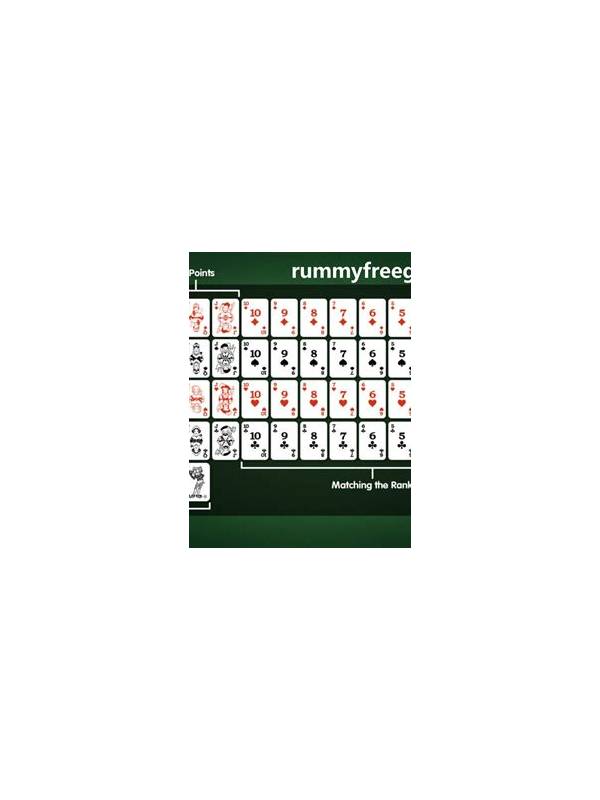
How to Label Rummy Cards by Role During Practice
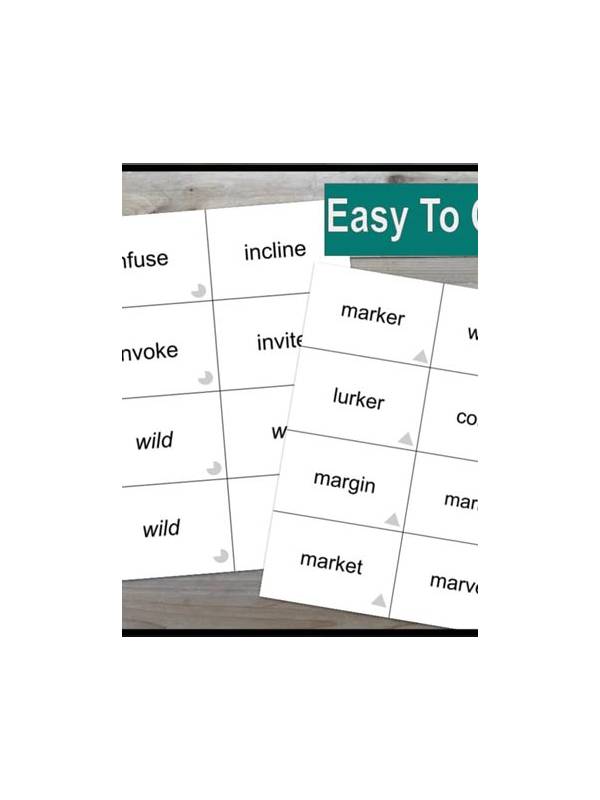
Card labels can make practice more useful, especially when a hand looks crowded with possibilities. Instead of judging every card as simply good or bad, give each one a temporary role. The label describes how the card functions in your current hand, not its permanent value.
Start with fixed cards. These belong to a completed or nearly completed structure that you understand. Next identify bridges, which could connect two cards or extend a sequence in more than one direction. Mark candidates as cards that fit one plausible plan but still need help. Finally, label isolated cards that currently have no convincing connection.
The labels should remain provisional. A bridge can become isolated after several relevant cards appear elsewhere, and an isolated card can become valuable after one new draw changes the hand. Updating labels is the exercise. It teaches you to respond to information instead of becoming attached to the first arrangement you noticed.
Add a cost note to each label. A high card that is isolated deserves more urgent attention than a low card in the same role. A bridge with several possible connectors may justify patience, but only if holding it does not prevent you from reducing a large penalty. This combines structure with practical risk.
During a timed drill, label the hand quickly, select a likely plan, and choose a discard. Then deal one imaginary draw and update the labels. Ask which card changed role and whether your original plan still deserves protection. Repeat this several times without trying to force a winning hand.
Role labeling is not a substitute for rules or probability. It is a language for describing the hand clearly. Once the categories become familiar, you can perform the same analysis mentally and spend less time reacting to attractive but weak combinations.
Use a different mark for uncertainty rather than pretending that every label is equally reliable. A fixed group may deserve immediate protection, while a candidate may deserve only one more draw. This distinction is valuable when the timer is short. It gives you a ready-made priority order and makes it easier to release a candidate when new information fails to support it.
After a practice hand, compare your labels with the final arrangement. Do not judge every candidate by whether it eventually worked. Instead, ask whether the label was reasonable when you made it. This keeps the exercise focused on decision quality rather than hindsight.
Related Post
Rummy How-To: Use a Replacement Test Before Holding a Loose Card
A simple replacement test shows whether a loose card is worth keeping for its current [...]
Rummy Comparison: Short Sessions Versus Long Sessions
Compare short and long rummy sessions by learning quality, attention, and risk of fatigue. [...]