Rummy Practice: Use One-Card Counterfactuals to Test a Plan
Rummy Practice: Use One-Card Counterfactuals to Test a Plan
A useful rummy practice drill asks one focused question: if a particular card arrived next, what would your hand do with it? This counterfactual keeps practice concrete. It trains you to evaluate routes by their consequences rather than by how attractive they look at first glance.
Create a sample hand with two possible structures and a few uncommitted cards. Choose one missing card for each route. For every candidate, explain the immediate action: which card would join the group, which card would become the likely discard, and what options would remain afterward. If you cannot name the resulting discard, the route may be less complete than it appears.
Next, compare the routes across three measures. First is direct improvement: does the card complete a group or merely create another pair? Second is flexibility: after the card arrives, are there several useful follow-up cards? Third is exposure: would the route force you to keep a costly or awkward card? Write a short score for each measure, using words such as low, medium, or high.
Repeat the exercise with a card that does not help either route. This tests your fallback plan. Good decision-making includes knowing what to release when the draw is neutral. Consider whether the hand still has a low-penalty discard and whether one route can be abandoned without damaging a confirmed group.
Keep the drill short. Five sample hands with two counterfactual cards each are enough for one session. Afterward, review whether your explanations used facts from the hand or assumptions about unseen cards. The goal is not to predict the exact next draw. It is to make the value of a draw legible before it happens.
You can increase difficulty by adding a visible discard history or a time limit. Avoid adding so much information that the exercise becomes a memory contest. One-card counterfactuals work because they isolate the link between a draw and the next decision. Over time, the drill builds a habit of asking, “What changes if this card arrives, and what is my plan if it does not?” An easy worksheet has four columns: candidate card, immediate improvement, likely discard, and fallback if the card is absent. Fill it in without looking at another exercise. Compare routes and explain which preserves more options. If both are close, say what extra information would decide between them. That sentence matters because real turns often lack a perfect answer. Practice should make uncertainty explicit and manageable.
Related Post
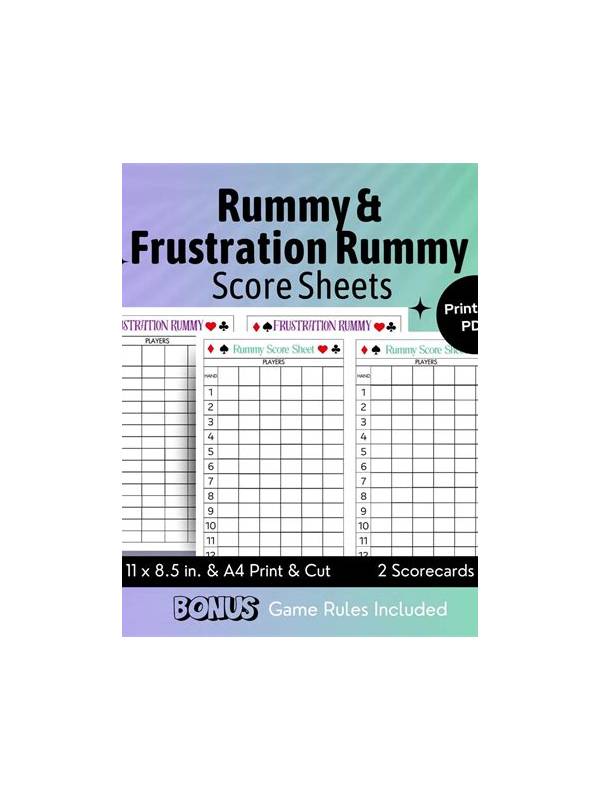
Rummy Guide: Score Uncertainty Before Choosing a Draw
A simple uncertainty score helps compare a promising draw with a broader but less exciting [...]
Rummy FAQ: When Is a High Card Too Expensive?
A high card deserves review when its future routes no longer justify its penalty and [...]