Rummy How-To: Build a Rule Snapshot Before a New Session
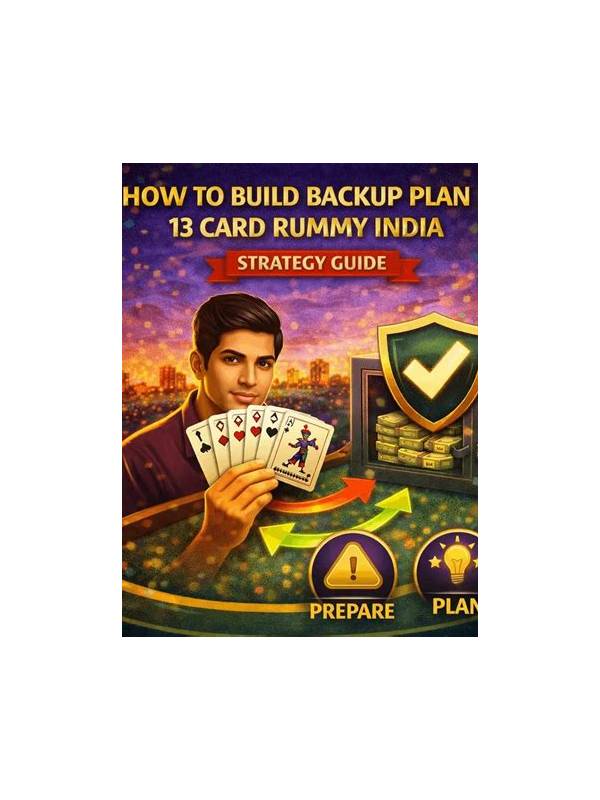
Before joining an unfamiliar rummy table, create a rule snapshot. This is a short note containing only the rules that can change your decisions. It is useful because names and interfaces can look similar while the winning condition, scoring, or joker treatment differs.
Write the variant name first, but do not rely on the name alone. Note the number of cards in a hand, the number of players if relevant, and the minimum group requirements for a valid declaration. If the table uses a local or house variation, record that separately so it is not confused with the standard description.
Add the draw and discard sequence. Which pile can you draw from? Is the top discard visible? Must you discard after every draw? What happens when the closed pile is exhausted? These details affect both planning and the information available to other players. A rule snapshot should make the turn order obvious at a glance.
Then record scoring and penalties in plain language. Note how an invalid declaration is handled, whether ungrouped cards carry point values, and whether a limit or target applies across several deals. Do not copy an entire help page. Include only the details you would need to explain a decision during the session.
Finish with a joker line and a stop line. State what types of jokers exist and how they can be used. State when you will pause to reread the rules, such as after an unusual prompt, an unfamiliar bonus message, or a disagreement about a declaration. The stop line protects you from continuing on an assumption.
Read the snapshot once before the first deal and keep it available during practice. If a rule is unclear, use the platform’s official help or ask support before committing anything important. Do not infer a rule from another app merely because the layout feels familiar.
After the session, update the snapshot only if you have verified a change. A dated note can be useful when you switch between formats. The exercise takes a few minutes, but it prevents a common error: applying the right strategy to the wrong rules.
If you play on a small screen, format the snapshot for quick scanning rather than tiny text. Put the declaration condition and joker rule at the top, because those are often the most expensive details to forget. A useful note should reduce hesitation, not create another crowded interface.
Related Post
Rummy Tips: Use a Neutral Word for Uncertainty
Neutral language helps rummy players distinguish an attractive possibility from a supported plan. [...]
Rummy Guide: Rank Plans by Number of Unresolved Tasks
Counting unresolved tasks offers a practical way to compare rummy hand shapes beyond simple group [...]