Rummy Safety: Keep Transaction Records Separate From Game Notes
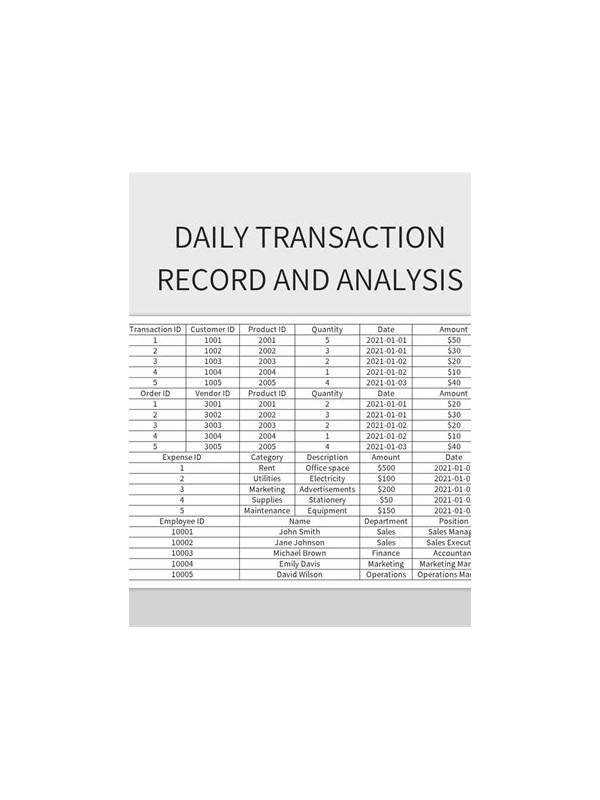
Game notes and transaction records serve different purposes. Game notes help you review decisions, while transaction records document deposits, withdrawals, fees, and confirmations. Keeping them separate is a small safety habit that makes unusual activity easier to spot.
Create one private location for official payment information, such as dated receipts, confirmation messages, and account statements. Store only what you need, and protect the location with the device’s normal security controls. Do not paste sensitive payment details into a public chat, a shared document, or a strategy journal.
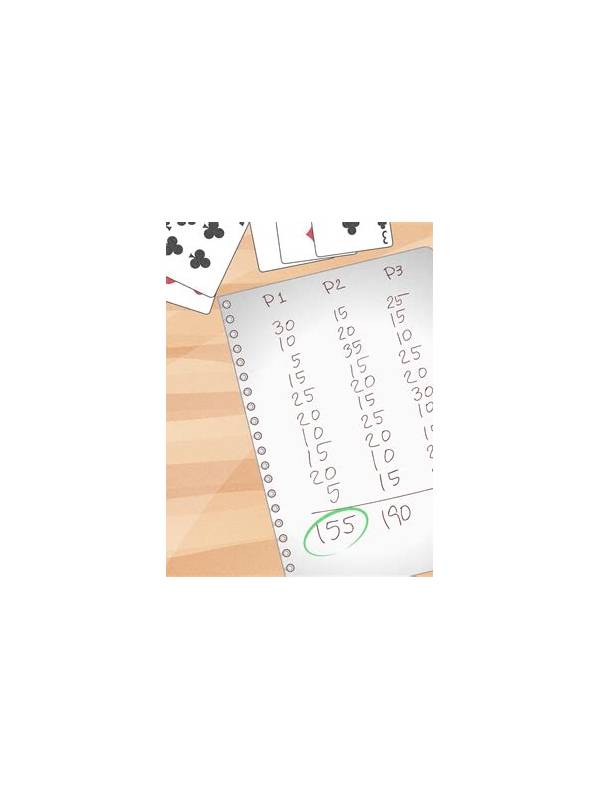
Use a separate notebook or file for gameplay. You can record the variant, a difficult decision, the cards you considered, and the lesson from the hand. Avoid writing full account numbers, passwords, one-time codes, or identity documents in these notes. Strategy review should never require access to payment credentials.
At regular intervals, compare your own spending summary with the official transaction history. Check the date, amount, status, and description. A pending transaction is not the same as a completed one, and a game result is not a receipt. If something does not match, pause further activity and use the platform’s official support channel.
Be cautious with messages that ask you to send a screenshot of a receipt or to “verify” a payment through an unrecognized link. Confirm the sender through the app or official website rather than replying to the message. Mask personal details before sharing any necessary evidence, and never share passwords or authentication codes.
Separating records also improves budgeting. A game log may contain many rounds but say nothing about total spending. A payment record shows money movement but not whether a decision was thoughtful. Review both independently, then decide whether your time and spending limits are still appropriate.
This habit does not guarantee account security, and it cannot resolve a disputed transaction by itself. Its purpose is clarity. When notes, receipts, and credentials are kept in their proper places, you can investigate a problem without exposing more information than necessary.
Set a regular review time rather than checking transactions compulsively after every hand. A weekly or monthly summary is often enough for ordinary monitoring, while an unfamiliar alert deserves immediate attention. Keep the review factual: confirm what happened, preserve the official record, and seek help through a verified channel when needed.
Use a simple naming convention for files so dates remain easy to compare. Avoid storing records on a device that other people can access casually.
Related Post

Rummy Tips: Use a Neutral Label for Uncertainty
Neutral labels keep uncertain rummy observations separate from conclusions and reduce overconfident decisions. [...]
Rummy Strategy: Pivot After Drawing a Duplicate
A duplicate draw is a prompt to reassess group roles, not a reason to keep [...]