Rummy FAQ: What Should You Do After a Disconnected Draw?
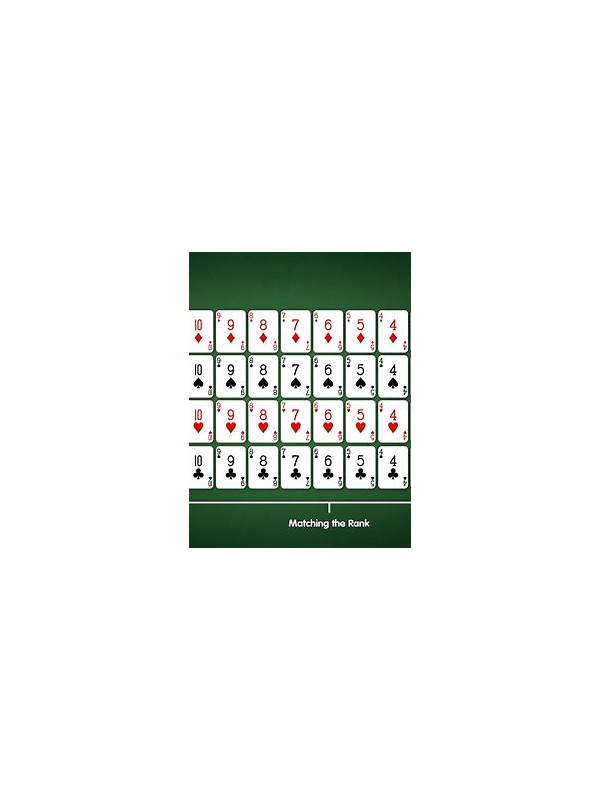
What is a disconnected draw? It is a card that does not immediately fit any of the groups you were considering. It may be a distant rank, a suit with no nearby cards, or a duplicate that creates no useful set. Such a draw is common and should trigger a structured review rather than an emotional reaction.
Start by placing the card beside the hand without forcing it into a group. Review your existing groups first. A disconnected card sometimes makes an older card more disposable, even if it has no role itself. Next, check whether it creates a set pair, a bridge between two ranks, or a lower-penalty fallback. If no connection appears, label it loose.
Then review your assumptions. Perhaps you have been protecting a pair because it looked promising several turns ago. Perhaps a sequence gap has only one realistic completion. The new card is useful information about the current state, even when it is not useful as a meld. Use it to reassess what deserves space.
When choosing a discard, compare the disconnected card with the weakest existing card. Discard the new card when it is high-value, has no route, and does not change your plan. Keep it briefly when it lowers risk, creates several future links, or allows you to release a more expensive card. The answer depends on the whole hand, not on the draw alone.
Do not respond by drawing repeatedly from one pile without a reason. Chasing a single missing card can turn a normal setback into a narrow plan. Set a deadline: after one or two turns, either the card gains a role or it leaves. Also follow the table’s rules, time limits, and any responsible-play limits.
The best response to a disconnected draw is calm bookkeeping. Place it, inspect possible roles, compare it with the weakest card, and update the plan. A hand changes one card at a time, so a single unhelpful draw rarely decides the outcome by itself.
Do not assign meaning to the draw beyond the information it provides. It does not prove that a pile is unlucky or that an opponent controls a particular card. The same process works for a duplicate or awkward low card: place it outside the groups, test its roles, and compare it with another candidate. Clear procedure turns an irritating draw into an ordinary decision.
Do not assign meaning to the draw beyond the information it provides. It does not prove that a pile is unlucky or that an opponent controls a particular card. Treat those interpretations as stories unless visible evidence supports them. If frustration rises, take a permitted break and return only when you can describe the state accurately.
Related Post
Rummy FAQ: Should You Break a Completed Set?
Breaking a completed set can be correct in rare situations, but the decision needs a [...]
Rummy Tips: Treat a Wild Card as a Temporary Loan
Thinking of a wild card as borrowed flexibility encourages you to protect its best use [...]