Rummy FAQ: Why Is a Second Scan Useful After Sorting?
Why scan a hand twice? The first arrangement gives you a working picture, but it is rarely complete. Sorting by suit can reveal sequences while hiding sets. Sorting by rank can reveal duplicates while hiding sequence gaps. A second scan changes the viewpoint and catches errors before they influence a discard.
The first scan should be structural. Place clear sequences together, identify sets, and leave uncertain cards aside. Do not force every card into a group. The goal is to understand what is already sound and what still needs evidence.
The second scan should be a challenge to that arrangement. Look across suits for equal ranks, then look along each suit for missing neighbors. Notice cards that appear in more than one possible group. These shared cards are important because using one role may eliminate another. Mark them temporarily rather than counting both groups as complete.
A second scan also helps with rules. Confirm that each proposed group is legal for the specific variant, that a joker is being used correctly, and that the declaration requirements are understood. A visually tidy layout can still be invalid if it relies on an unavailable substitution or an incorrect group size.
Do not turn scanning into endless rearrangement. Set an order and a limit: clear groups, possible groups, shared cards, loose cards, then rules. Once those checks are complete, choose the best current plan and act. The value comes from finding material differences, not from making the cards look perfect.
This habit is useful before the first discard, after a meaningful draw, and before a declaration. It takes only a few seconds once practiced. More importantly, it separates seeing a pattern from trusting it, which leads to calmer and more accurate play.
The second scan is also a declaration safeguard. Read each proposed group in a different order, verify its type, and check that every card is used once. If the platform has a confirmation screen, treat it as a final audit. Once complete, stop changing the hand unless a rule or new card requires it; repeated checking can introduce mistakes.
The second scan is also a declaration safeguard. Read each proposed group in a different order, verify its type, and check that every card is used once. If the platform has a confirmation screen, treat it as a final audit. Once the audit is complete, stop changing the hand unless a rule or new card requires it.
Related Post
Rummy Comparison: Symmetry and Asymmetry in a Hand
Symmetrical patterns look balanced, but asymmetrical plans can sometimes finish faster with fewer dependencies. [...]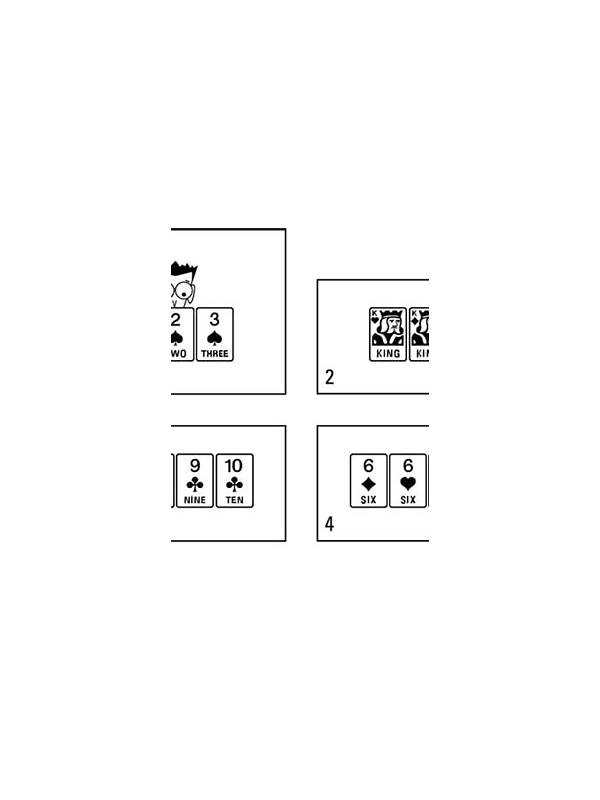
Rummy FAQ: Why Can Two Legal Hands Have Different Risk?
Legality is essential, but exposure, flexibility, and timing determine how risky a legal arrangement is. [...]