Rummy Comparison: Printed Notes Versus Mental Tracking
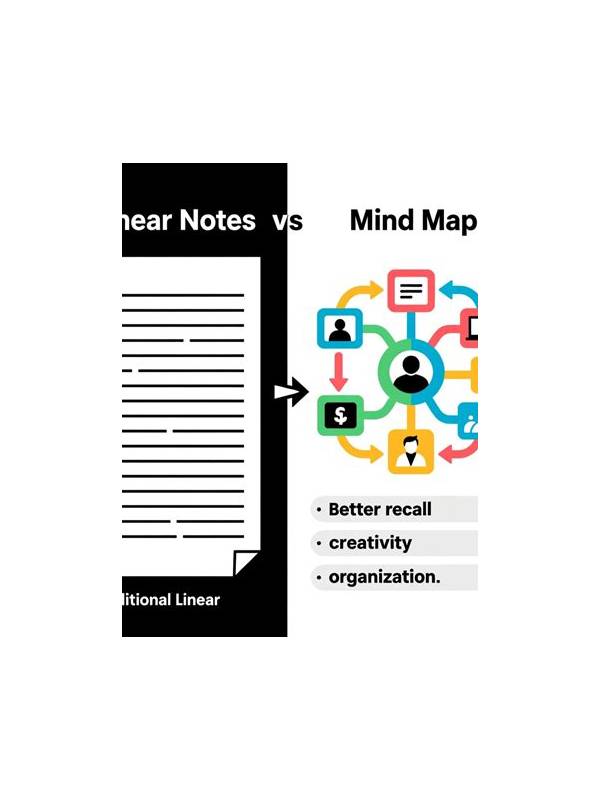
Some rummy players prefer to track possibilities mentally, while others benefit from a small written note. Neither method is automatically better. The useful choice depends on the rules, the setting, and whether the note improves decisions without distracting from the hand.
Mental tracking is fast and requires no equipment. It works well when you are watching only a few important connections, such as the card needed to complete one visible sequence. It also avoids the risk of writing information that is not allowed in a particular format. The weakness is that stress and long hands can make a small detail disappear.
Written tracking provides an external memory. A compact list of two or three watched ranks can be easier to review after several turns. Notes are especially useful in practice, where the goal is to study a decision rather than maximize speed. The weakness is divided attention: if writing makes you miss a turn, it has become a cost rather than a support.
Rules come first. Some tables restrict notes, devices, or outside aids. Check the format’s rules before using paper or an app. Never record private information about another player in a way that violates the setting or a privacy expectation. A note method should clarify your own reasoning, not create an unfair information source.
Test both systems with the same drill. In one session, track only the next useful connector mentally. In another, write it in a single line. Compare accuracy, speed, and concentration. Also note whether the method encouraged you to chase an old plan after the hand changed.
The best system may be hybrid. Use mental tracking during live play and written notes during review. Or write one neutral reminder, such as “check flexibility,” rather than a long list of predicted cards. The purpose is to keep attention on the current decision. If a note system makes the game feel crowded, simplify it until it disappears into the background. Paper can also be easier to review than a phone because it does not introduce notifications or an unrelated application. On the other hand, paper should never be used to record information prohibited by the table rules. The safest default for live play is a minimal reminder about your own process, followed by a fuller analysis after the hand is finished. Some players discover that a written method helps only at the beginning of a session. That is fine. The goal is not loyalty to paper or memory. It is to notice which method keeps attention on the current turn, respects the rules, and leaves you able to explain the decision afterward. Change methods when the evidence supports it.
Related Post

Rummy Strategy: Use a Constraint Before a Preference
Checking the hand’s strongest constraint before following a favorite pattern leads to more practical rummy [...]
Rummy Safety: Keep Session Records Without Exposing Personal Data
Keep useful strategy notes while avoiding passwords, payment details, and other sensitive information in your [...]