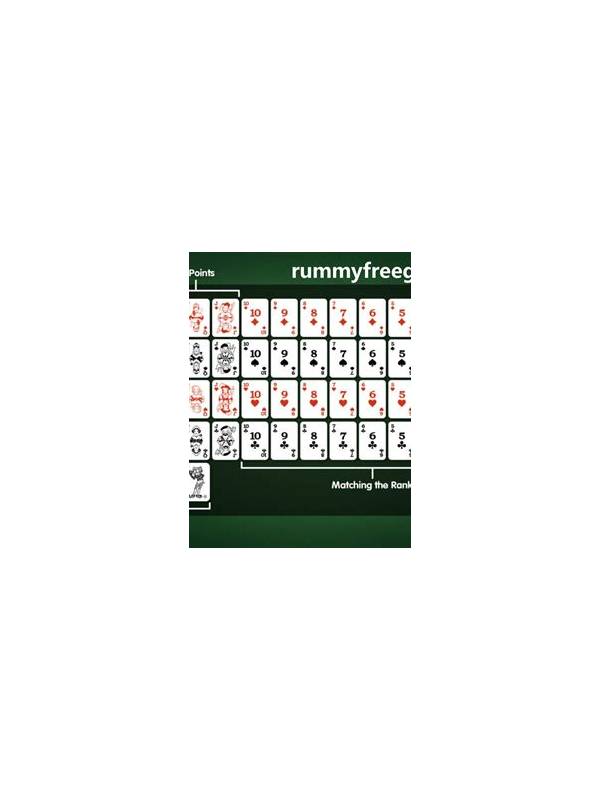
Rummy Practice: Rehearse the Draw-and-Discard Sequence
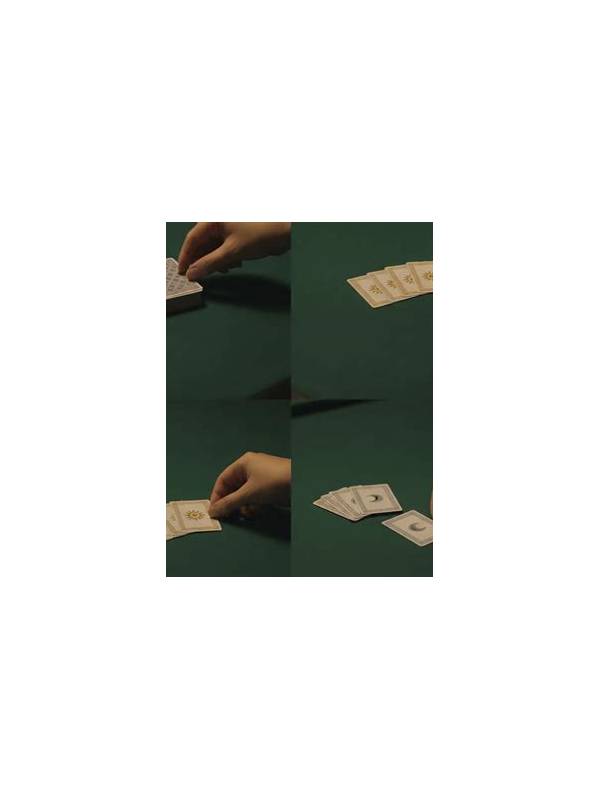
Many rummy mistakes come from doing the right checks in the wrong order. Players may discard before fully adding a drawn card, or they may evaluate a new card without reconsidering the whole hand. The draw-and-discard rehearsal trains the sequence itself, so decision-making becomes calmer under a timer.
Use a legal sample hand, a deck, or a written set of random cards. Begin by stating the current structure in one sentence. Draw one card and place it beside the hand. Do not discard immediately. First ask whether the new card creates a confirmed group, strengthens a possible group, or has no useful role. Then inspect the whole hand again and choose two candidate discards.
Before selecting one, compare the candidates by structure, penalty, and exposure. Say the reason aloud or write it in a few words. Finally remove the chosen card and describe what the hand looks like now. The rehearsal is complete only after the new hand has been rechecked; stopping at the discard leaves out the most important reset.
Repeat for five turns with the same sample hand, or use a new hand each time if you want variety. Keep the pace moderate. Accuracy comes before speed. If your rules include jokers or special declarations, follow the exact rules of the variant you are practicing rather than importing assumptions from another format.
Review the notes afterward. Look for repeated problems: forgetting to recheck an old pair, keeping a high-point orphan, or choosing a discard before considering an opponent’s likely interest. Choose one issue for the next drill. This exercise does not guarantee a winning result, but it builds a reliable routine that makes each turn easier to audit. Make the drill more demanding by hiding the next card until you name a discard candidate. Another variation is to pause after the draw and predict which existing card becomes weakest if the draw is not useful. These variations build anticipation without encouraging reckless speed. Keep practice stakes-free when learning, and stop if the exercise becomes frustrating. The best rehearsal leaves you with a clearer process, not a demand for perfect decisions. Record one process error, not every imperfection. If you forgot to recheck an old group, make that the next drill’s focus. If you compared candidates carefully but chose the wrong one in hindsight, keep the routine and inspect the assumptions instead. Practice should distinguish an execution mistake from an uncertain result. That distinction makes training less emotional and more useful. Stop the session when attention drops, because fatigue can teach a rushed sequence as easily as a good one.
Related Post
Rummy Guide: Turn a Loose Hand Into Three Clear Options
A practical way to evaluate a messy rummy hand without committing too early. [...]
Rummy Hand Symmetry: Avoid Giving Equal Attention to Unequal Groups
Comparing groups by their real prospects prevents a rummy hand from receiving a misleadingly balanced [...]