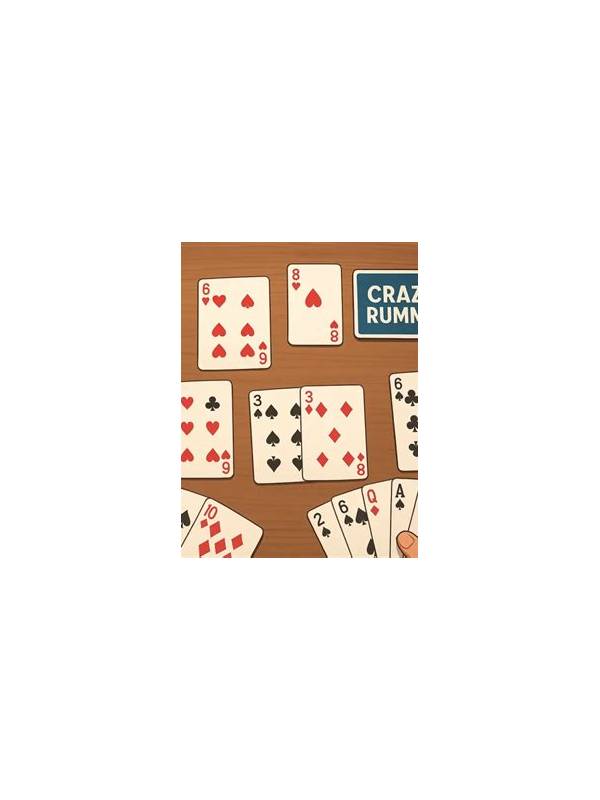
Rummy Tips: Count Turns Instead of Chasing Card Counts
Players often say that a hand has “many outs” because several unseen cards could improve it. That count is useful, but incomplete. A better review also asks how many turns remain before a declaration, penalty, or deck change becomes likely. A broad plan with little time may be less attractive than a modest plan that can finish soon.
Begin by estimating the hand’s current distance from legality. Identify the required groups, the cards already complete, and the exact missing positions. Then estimate how many personal turns are realistically available. The number need not be precise. A simple label such as early, middle, or late is enough to prevent an early-game plan from being treated as if it had unlimited time.
Next, compare each candidate route by completion speed. A card that completes a group now may be more valuable than two cards that only create new possibilities. Consider also whether the route leaves a safe discard and whether it supports the variant’s required sequence. This keeps the analysis focused on an actionable finish rather than an attractive collection of partial patterns.
Turn counting is especially helpful after repeated blanks. If a plan has survived three turns without progress, its original card count should not protect it by itself. Reduce its deadline, compare it with the best alternative, and release it when the carrying cost is no longer justified. A new draw can reset the comparison, but it should not erase the history of unhelpful turns.
For practice, write “turns available” beside each plan after the opening. At the end, note whether the route improved quickly, slowly, or never. Over time, this record can reveal whether you abandon flexible hands too early or carry narrow draws too long. Counting turns makes timing visible, which is often more useful than making one more optimistic estimate about the next card.
Turn counting also prevents a common review mistake: treating every useful card as equally reachable. A helpful card that might arrive eventually has little practical value when only one or two personal turns remain. Write a range if the table pace is uncertain, then make the decision using the shorter end of that range. If the hand improves sooner than expected, you can reopen a flexible route. If it does not, the deadline has already encouraged a timely release. This is a modest planning tool, but it gives optimism a boundary and makes late-game choices more deliberate.
Related Post
Rummy Guide: Read the Open Pile Without Overreacting
Use the open pile as evidence while avoiding exaggerated conclusions from one visible choice. [...]
Rummy FAQ: When Is a Pair Better Than a Near-Sequence?
A pair and a near-sequence should be compared by routes, timing, and point exposure rather [...]