Rummy Guide: Compare Two Hands by Flexibility
When a rummy hand contains several promising cards, the best choice is not always the arrangement that looks closest to complete. A hand can be one card from a group yet have very few useful draws, while another hand may look untidy but support several different sequences. Comparing flexibility helps you choose a plan that can survive an unhelpful next card.
Start by making two rough layouts. In the first, place cards into the most obvious groups. In the second, deliberately leave one or two cards uncommitted so they can support more than one route. Then count the missing cards for each route. Do not count a card merely because it is technically compatible; ask whether drawing it would also leave the rest of the hand manageable.
A flexible plan usually has three qualities. It needs more than one useful draw, it should not depend on a single exact card, and it should leave a low-value discard if the draw does not arrive. For example, a connected pair in a suit may accept cards on either side, while a separated high pair may need a narrow sequence. The first arrangement has more room to adapt.
Flexibility is not unlimited. Keeping every possible connection can create a crowded hand that never commits. Set a decision point, such as the next two turns, and reassess. If one route gains evidence while another remains theoretical, keep the stronger route and release the weaker cards. This prevents flexibility from becoming an excuse to hold everything.
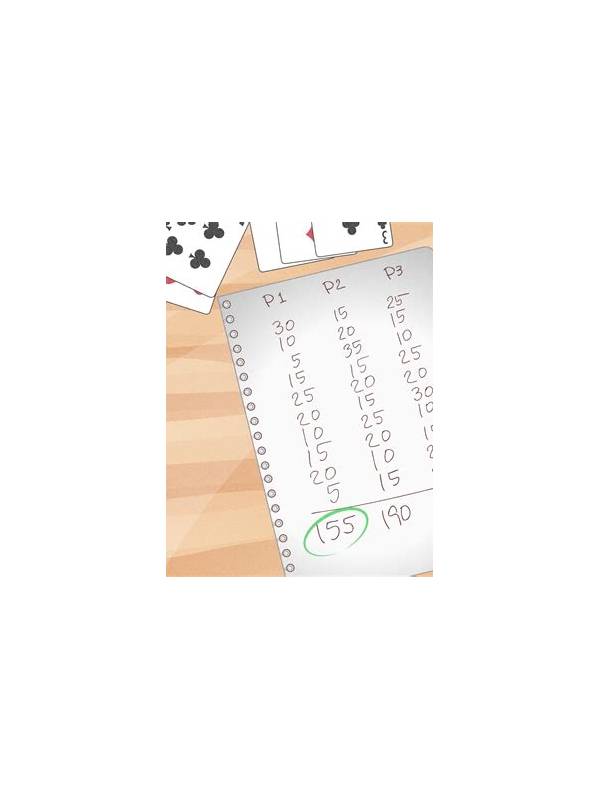
Use this comparison during practice by recording the number of live draws each plan has at the same moment. Also note the penalty for missing. Over several hands, you will see whether you prefer plans that finish quickly, plans that protect points, or a balanced mixture. The goal is not to predict the exact next card; it is to choose the structure that gives you useful choices without carrying unnecessary risk.
One practical test is to imagine a neutral card arriving. If the plan still leaves a reasonable discard and at least one developing group, it has resilience. If a neutral card makes the whole layout collapse, the plan was more fragile than it appeared. This test matters because most turns do not deliver the perfect card. Strong flexibility is measured by how gracefully a hand absorbs ordinary outcomes. It also helps you explain a choice after the hand: you can describe the number of routes, the fallback, and the point at which you would reassess.
Related Post

Rummy Strategy: Use a Decision Ladder for Difficult Draws
A simple decision ladder turns uncertain rummy draws into a repeatable sequence of questions. [...]
Comparing Rummy Practice Modes for Different Learning Goals
Match common rummy practice methods with the skill each one develops best. [...]