Rummy Comparison: Quick Sorting Versus Deliberate Sorting
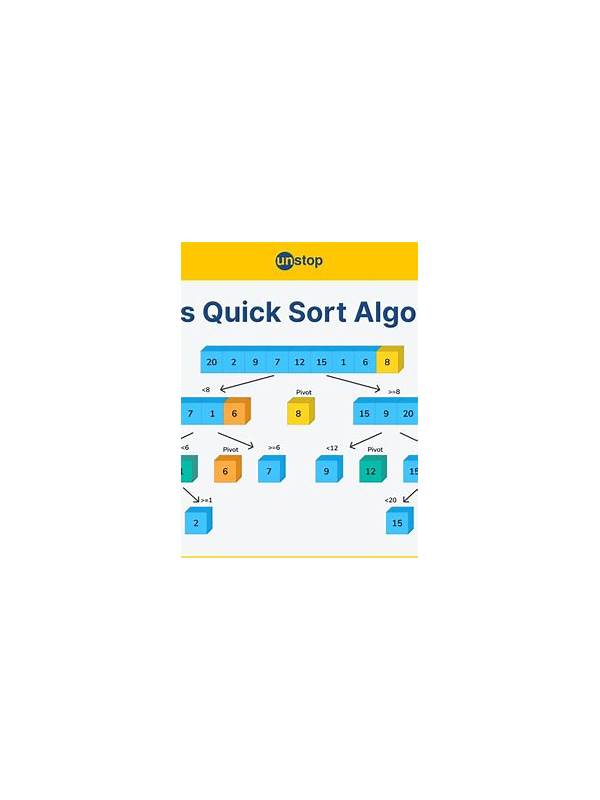
Quick sorting and deliberate sorting solve different problems. Quick sorting gets the cards into a readable order before the next decision. Deliberate sorting examines suit, rank, sequence potential, set potential, and discard risk in greater detail. Neither method is always superior. The best choice depends on the time available and how complicated the hand has become.
Use quick sorting immediately after a draw. Group cards by suit or rank, place obvious sequences together, and leave isolated cards at the edge. The purpose is orientation. You want to know which cards already work, which cards have one connection, and which cards are currently doing nothing. Spending too long on perfect placement can cause you to miss the actual decision window.
Use deliberate sorting when two arrangements compete. For example, a middle card might fit a same-suit run or help form a rank set. Write both layouts mentally, count the useful draws, and assess what happens if neither draw arrives. Deliberate sorting is especially valuable before a high-cost discard or when the hand is close to completion.
The risk of quick sorting is premature commitment. Once cards look tidy, you may treat the first layout as the only layout. The risk of deliberate sorting is analysis overload. Moving the same cards repeatedly can make you forget what changed. To avoid both problems, start fast, then perform one structured comparison rather than endless rearrangement.
Practice by timing the two modes separately. Give yourself a few seconds for a quick inventory, then a longer pause for a difficult fork. After the hand, ask whether the extra thought changed your choice or merely increased uncertainty. Over time, you will learn which positions deserve a careful comparison. Efficient sorting keeps the hand visible; deliberate sorting makes the important trade-off explicit.
The two styles can work as a cycle. Begin with a quick sort, pause only when a real conflict appears, and return to quick sorting after the conflict is resolved. This keeps careful analysis attached to a specific question. If you notice yourself moving cards without learning anything new, stop and name the decision you are trying to make. When no decision is present, restore the simple layout and continue with the next draw. Consistency is more useful than a complicated system that is difficult to repeat. The aim is not to make every card perfectly arranged. It is to make the next choice understandable. If a layout helps you identify a weak card and a promising route, it has already done its job. Return to it after the turn instead of searching for a more elegant arrangement.
Related Post
Rummy Tips: Compare Candidate Discards With a Counterfactual
Compare discards by imagining the next draw, the opponent’s response, and the shape of your [...]
Rummy How-To: Build a Decision Tree for a Loose Card
A small decision tree turns one loose-card question into a sequence of practical checks. [...]