Rummy Tips: Compare Two Discards by Future Flexibility
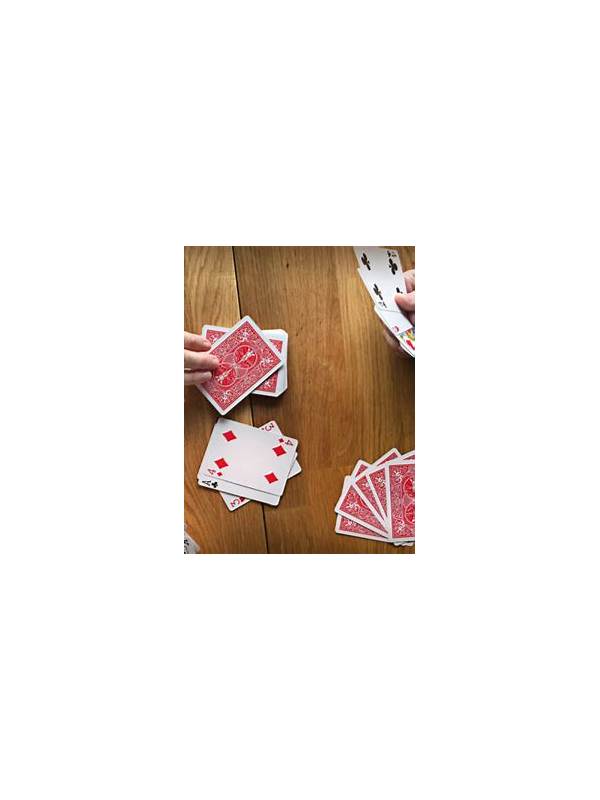
Rummy players often reach a turn where two cards appear equally disposable. Both may be high-value cards, isolated cards, or pieces of different incomplete groups. In that moment, the useful question is not which card looks worse now, but which discard leaves more workable choices for the next few turns.
Begin by removing emotional labels such as “pretty,” “lucky,” or “almost complete.” Write down the groups each card supports. If discarding the first card destroys two realistic arrangements while discarding the second destroys only one, the second is usually the more efficient choice. This is especially important when a pair has become an anchor simply because it was dealt early.
Next, examine the replacement options. A discard that leaves several connected ranks and suits may preserve more routes than a discard that leaves only one exact draw. For example, a hand with 4 and 5 can often be developed in more than one direction, while a lone 10 with no nearby support may need a very specific card. The comparison should be based on actual cards still available, not every theoretical possibility.
Consider information as well. A discard that is obviously useful to many common sequences can give an opponent a convenient pickup. You cannot know an opponent’s complete hand, but visible discards and repeated passes provide clues. If both candidates have similar flexibility, prefer the one less likely to complete an obvious public pattern.
Finally, check the point cost. A flexible card may still be a poor hold if the hand is far from a valid declaration and the card carries a large penalty. Conversely, a low-point card may be worth keeping briefly if it connects to multiple groups. Balance immediate safety against development rather than following a single rule.
Practice by pausing before each discard and stating: “This card leaves these routes; that card leaves those routes.” Over time, the comparison becomes faster. The aim is not perfect calculation. It is to choose deliberately when two cards are close, especially late in a round when every remaining option matters.
If you are unsure, use a tie-break sequence. Prefer the discard that leaves a legal structure, then the one that lowers point exposure, then the one that preserves more independent routes. Only after those checks should opponent information decide the choice. This order keeps a dramatic recent pickup from dominating the evaluation. The better discard is not necessarily the card that produces the best next draw; it is the card that leaves you prepared for more reasonable next draws.
Related Post
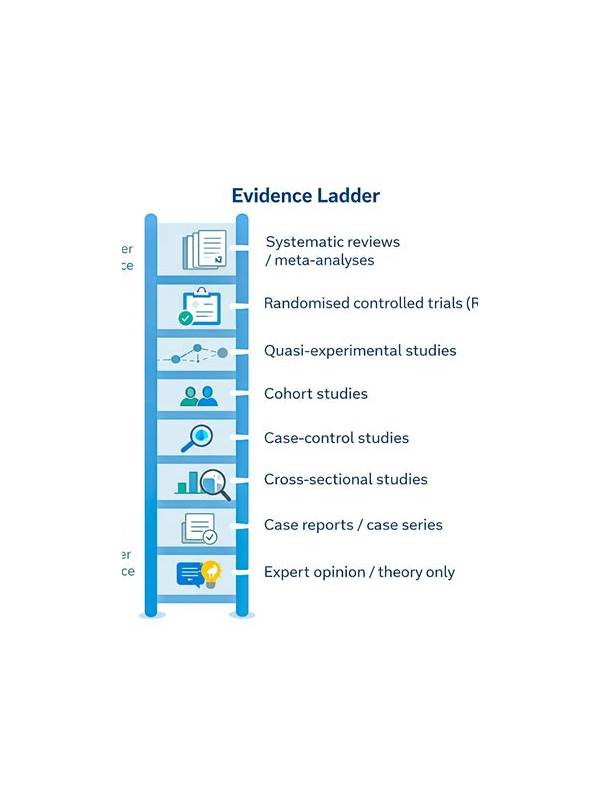
Rummy Tips: Use an Evidence Ladder for Discard Decisions
An evidence ladder helps players rank discards by visible facts, reasonable inferences, and guesses instead [...]
Rummy Guide: Test a Plan With the Worst Reasonable Draw
Stress-test a hand by asking whether it remains playable after an ordinary miss. [...]