Rummy How-To: Test a Hand With a Temporary Reordering
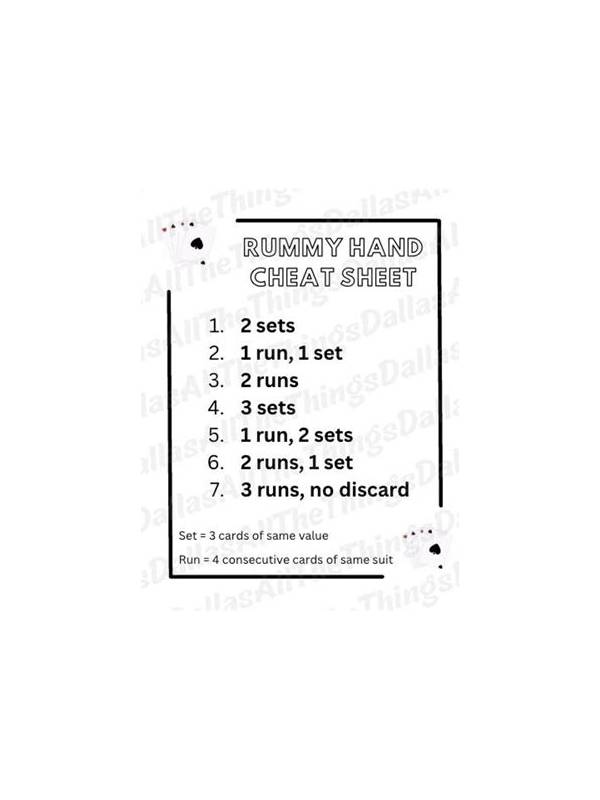
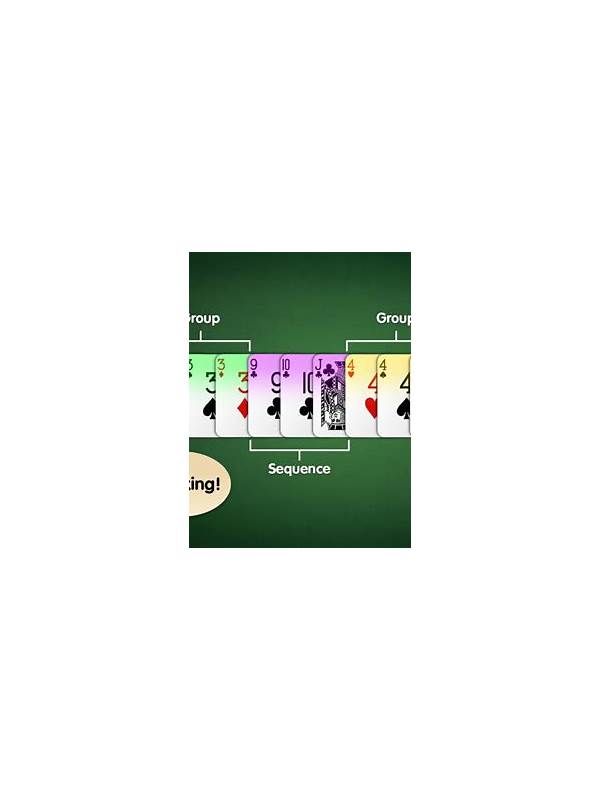
A hand can look weak when cards are displayed in the order they were drawn. Before discarding, try a temporary reordering: move cards into possible sequences and sets, leaving unassigned cards aside. The purpose is to test the hand, not to make a final declaration. This small habit can reveal a useful connection or expose a plan that depends on too many exact draws.
Begin with the most certain group. A completed pure sequence or an obvious set gives you a stable base. Do not move it repeatedly while testing other ideas. Then choose one incomplete group and place its nearby cards together. If a card could belong to two groups, mark it mentally as shared rather than counting it twice.
Now test a second arrangement. Perhaps the same middle card works better in a sequence than in a set, or a joker can serve a different position. Compare the number of unassigned cards, the points left outside groups, and the number of realistic cards needed to improve the layout. A plan with fewer unassigned points is not automatically better if it relies on one exact draw.
Keep the test temporary. Do not discard a card merely because it looks unused in the first arrangement. Review both layouts after the discard candidate is selected. Many errors occur when a player commits to the first tidy pattern and forgets that another card was carrying two possibilities.
This method is especially useful after receiving a joker, a middle card, or a card that changes the relationship between two suits. It is less useful when the timer is nearly finished. In that situation, preserve the strongest legal structure and make a simple, low-risk discard.
With practice, temporary reordering becomes a quick visual check. It helps separate facts from hopes: completed groups are facts, possible extensions are plans, and unassigned cards are costs. That distinction makes the next move clearer without requiring a full search of every possible combination.
If the first layout uses every card but depends on a doubtful rule, mark it as provisional. A tidy display is not proof of a valid hand. Check sequence order, suit, rank, and joker treatment according to the table rules before treating the arrangement as safe. When practicing, deliberately create one layout that looks attractive but fails a validity check. Learning to spot that failure early is often more valuable than finding another possible combination.
Related Post
Rummy Comparison: Open-Pile Reading Versus Hand-First Play
Open-pile reading and hand-first play emphasize different information, and a balanced approach changes with the [...]
Rummy FAQ: What Should You Do After a Disconnected Draw?
A disconnected draw is a cue to rescan the hand, not proof that the round [...]