Rummy Comparison: Short Breaks Versus One Long Review
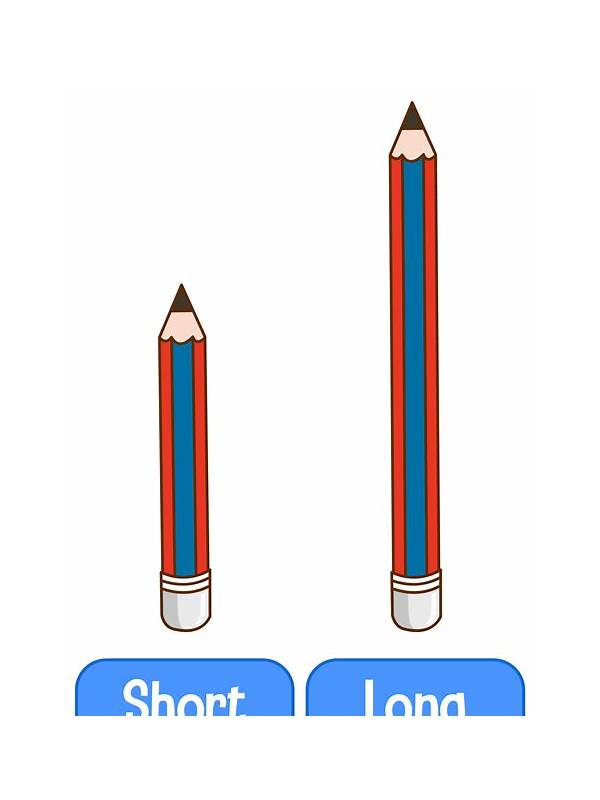
Players often ask whether improvement comes faster from reviewing every round or saving all notes for one long session. Both approaches can work, but they solve different problems. Short reviews preserve detail, while a longer review reveals patterns across many decisions.
Use a short review immediately after a round when you remember the decision clearly. Note one moment where your plan changed, one discard you questioned, and one rule or validity check worth confirming. Keep the note factual. “I kept a pair for four turns” is more useful than “I played badly.” Limit the review to a few minutes so it does not become another exhausting session.
A longer review is useful after several rounds. Group notes by theme: late discards, narrow draws, missed pure sequences, or rushed declarations. Look for repeated behaviors rather than isolated outcomes. A losing round may contain a good decision, and a winning round may contain a risky habit that happened to work.
Short breaks are better when memory is fresh and the session is still calm. They are less helpful when you are angry, tired, or determined to prove that a recent choice was correct. In those moments, pause and return later. A delayed review can be more balanced than an immediate argument with yourself.
The longer review should also have a boundary. Choose a fixed number of hands or a set time, then stop. Do not use the review as a reason to extend paid play. Practice hands and written examples can test a new idea without adding financial pressure.
The best routine combines both: a brief factual note after play and a periodic search for patterns. Improvement comes from changing one repeatable behavior at a time, then checking whether the change improves clarity and discipline over multiple sessions. Review should support better decisions, not replace rest or turn entertainment into an obligation.
Choose the format based on your goal. If you are learning rules, use the immediate visual review. If you are learning discipline, use written notes across a week. If you are deciding whether a session was enjoyable and affordable, review the time and spending boundary rather than card outcomes. Keeping these questions separate prevents a strategy review from hiding a routine problem. Stop when you have identified one change to test. After the next few sessions, check whether that change was actually followed and whether it improved clarity. If not, revise the routine rather than adding more complicated tracking.
Related Post
Rummy FAQ: How Can You Avoid Overvaluing a Nearly Complete Run?
A nearly complete run deserves attention, but its missing cards, timing, and alternatives determine whether [...]
Rummy Safety: Keep Entertainment Spending Separate
Separating a play budget from essential money creates a clearer and safer boundary. [...]