Rummy FAQ: Why Does a Pair Feel Better Than It Is?
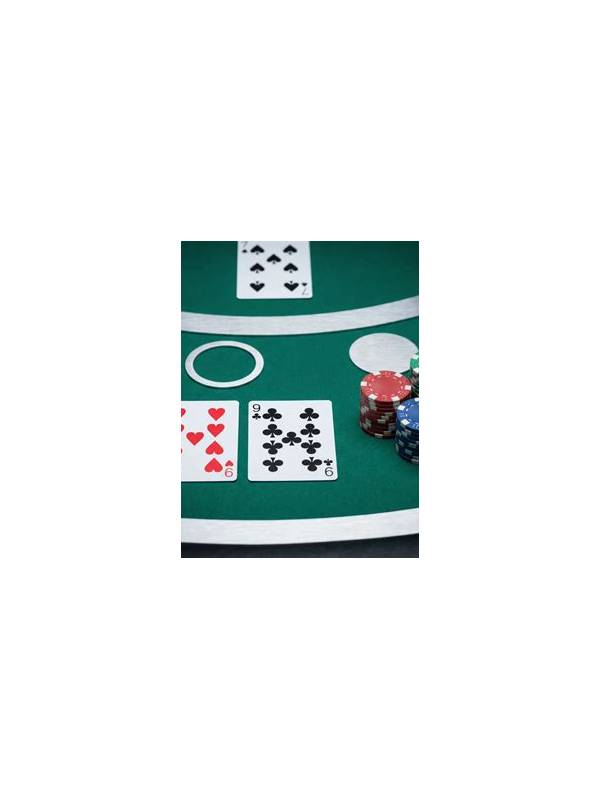
A pair feels promising because it already has a visible relationship. Two matching ranks or neighboring cards look like the beginning of a group, and completing the pattern can be satisfying. Yet a pair is only a possibility, not a finished structure. Treating every pair as valuable can leave a hand crowded with plans that compete with one another.
Check the pair’s extensions. A pair of adjacent cards may have two directions for a sequence, but the required cards may be limited by suit or by cards already visible in the discard pile. A same-rank pair may need another card of the rank, and that card may be difficult to obtain. Count realistic improvements rather than theoretical ones.
Check the pair’s cost. If both cards are high-value and the round is moving quickly, holding them without progress can become expensive. If the pair is low-value, it may be safe to keep briefly while you build a more reliable group. Value is contextual; a pair should earn its place by helping the whole hand.
Check the pair’s conflicts. One card may also connect to a stronger sequence, or the pair may require a joker that is better used elsewhere. Lay out a second arrangement before deciding. Avoid counting one shared card as support for two groups at the same time.
Finally, set a deadline. Give a speculative pair a few turns or until a meaningful new card appears. If neither happens, release the weaker card or abandon the pair entirely. This prevents early optimism from controlling the hand long after the evidence has changed.
Pairs are useful building blocks, but they are not promises. Evaluate them by completion likelihood, point exposure, flexibility, and opportunity cost. That approach keeps the visual appeal of a pair from becoming a reason to ignore better options.
One useful exercise is to remove a pair from the hand on paper and see what remains. If the rest of the cards immediately form a stronger structure, the pair may have been occupying space without adding much. If removing it leaves several high cards and no route, the pair may be worth protecting temporarily. Repeat the test after each meaningful draw. A pair should be evaluated as part of the whole hand, not as an isolated object. This reduces attachment and makes opportunity cost easier to see. Ask whether the pair would still be attractive if it arrived on the current turn rather than at the beginning. That removes the influence of time invested. A card earns attention through present evidence: useful connections, manageable points, or flexibility.
Related Post

Rummy Safety: Separate Practice Stakes From Real-Money Play
Clear boundaries between learning sessions and paid games help keep rummy decisions measured and accountable. [...]
Rummy Practice: Analyze a Hand Without Seeing the Result
Reviewing a rummy position before revealing the outcome builds decision skill without letting hindsight take [...]