Rummy How-To: Organize a Hand With a Two-Pass Sort
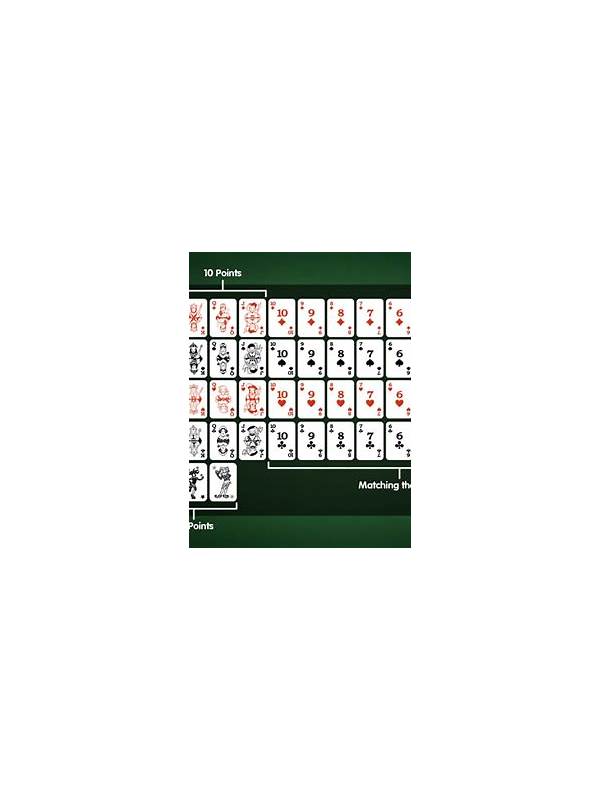
When a hand is crowded with pairs, loose cards, and possible sequences, constant rearranging can create more confusion. A two-pass sort gives each card a temporary home without forcing an early commitment. It works on a physical table and in a digital interface.
In the first pass, sort quickly by obvious relationships. Put confirmed groups together, place same-suit neighbors near one another, and separate cards that currently have no clear connection. Do not debate every card. The purpose of this pass is visibility. You want to see the broad shape of the hand, not solve it immediately.
In the second pass, inspect each unfinished cluster. For a sequence possibility, list the missing connectors and note whether either end can grow. For a set possibility, check how many matching ranks could still help. If a card appears in two clusters, mark it as a shared resource rather than placing it permanently. This prevents one attractive arrangement from hiding another.
Now rank the clusters by strength. A completed group is first. A structure needing one of several realistic cards comes next. A structure needing one exact card is weaker, especially if that card has already been discarded. The leftover cards should be evaluated individually. A leftover with high points or little flexibility is often the first discard candidate.
Repeat the sort only after a meaningful new draw. Rearranging after every minor thought can make the hand feel more dynamic than it really is. The two-pass method is useful because it separates observation from decision. Once you can see which cards support several routes and which cards merely occupy space, choosing a discard becomes less emotional and more consistent. For digital play, you can imitate this method by grouping cards with the interface’s sorting options, then returning them to a neutral order before acting. The neutral view helps you check that a visual layout has not hidden an isolated card. For physical play, leave a small gap between confirmed and speculative groups so the difference remains visible.
The two passes are deliberately short. If a second pass produces no new comparison, move on to the discard test. A tidy hand is not necessarily a strong hand; the goal is to make the strongest and weakest features obvious enough that your next action has a reason. As a final check, ask whether the arrangement changed your preferred discard. If it did not, stop sorting and act. If it did, state the new reason in one sentence. This preserves the benefit of organization while preventing layout changes from becoming a ritual that consumes the turn.
Related Post

Rummy How-To: Build a Two-Minute Table Scan
A short table scan helps you confirm rules, pace, and visible information before investing attention [...]
Rummy How-To: Use a Constraint Board for Difficult Hands
Learn a simple way to record the conditions that should guide a complicated rummy decision. [...]