Rummy Strategy: Use a Rejection Test Before Discarding
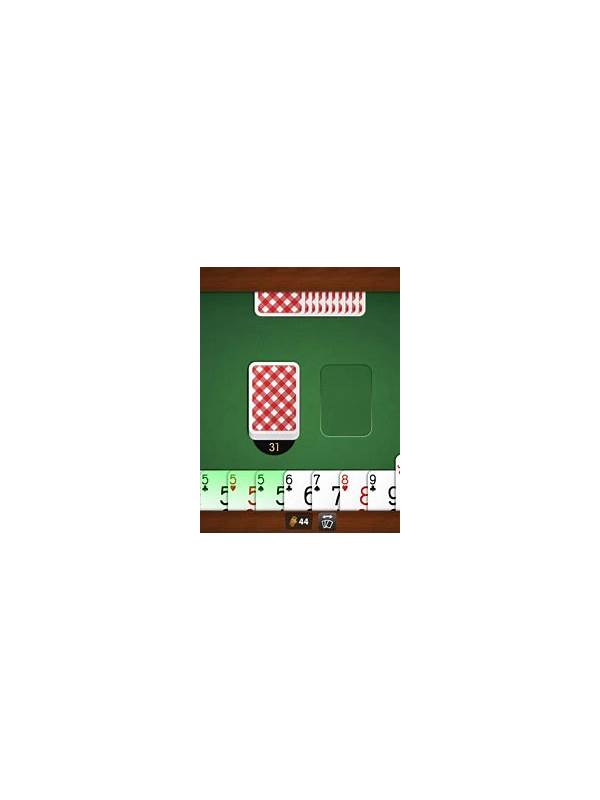
A rejection test helps when two discard candidates look similar. Instead of asking which card looks worst, give each candidate one final challenge: what is the best realistic way this card could help? If the answer is vague, the card is easier to release. If the answer is concrete and supports a strong structure, keep it for now.
Take the first candidate and identify its useful neighbors. For a sequence card, note the exact cards that could connect on either side. For a set card, note the matching ranks that could join it. Then check whether those connectors are still plausible. Cards already seen in the discard pile, cards that conflict with a nearly finished group, or cards requiring several future draws should reduce the candidate’s score.
Run the same test on the second candidate. Do not stop after finding one possible use; both cards usually have one. Compare the quality of their routes. A card that can complete a group in one draw is stronger than one that might join a pair after two specific draws. Also consider penalty: a high-value card with narrow uses often deserves more urgency.
The test should not become an excuse to keep everything. Its purpose is to expose the strongest argument for keeping a card, then compare that argument with reality. If the best case is unlikely and another card offers better structure, discard confidently.
Use this method especially when you feel attached to a card because it “might be useful.” Naming the exact use turns that feeling into an observable claim. Over time, you will learn which promising cards actually improve your hands and which merely delay a necessary decision. The rejection test is especially valuable when a card has emotional appeal, such as a favorite rank or a card that almost completed a previous hand. Personal attachment is not evidence of current value. State the best realistic use in the present hand, then compare it with what the other candidate can do now.
You can also apply the test to a card you plan to keep. If its strongest defense is only that it is “not bad,” it may be a quiet discard candidate. A useful decision names a benefit, a time horizon, and an alternative. Once those are clear, the hand usually offers a more obvious next step. When both candidates survive the test, use the next-turn question: which card would I be happier to see replaced? The answer often identifies the card with less durable value. You can also consider whether releasing one card gives opponents useful information, but that concern should support a sound hand decision rather than override it.
Related Post
Rummy How-To: Set a Decision Budget for Each Turn
A small decision budget keeps analysis useful while preventing one uncertain turn from consuming the [...]
Rummy FAQ: When Should You Break a Promising Pair?
A pair is valuable only when its future use outweighs the points and flexibility tied [...]