How to Organize a Rummy Hand for Faster Decisions
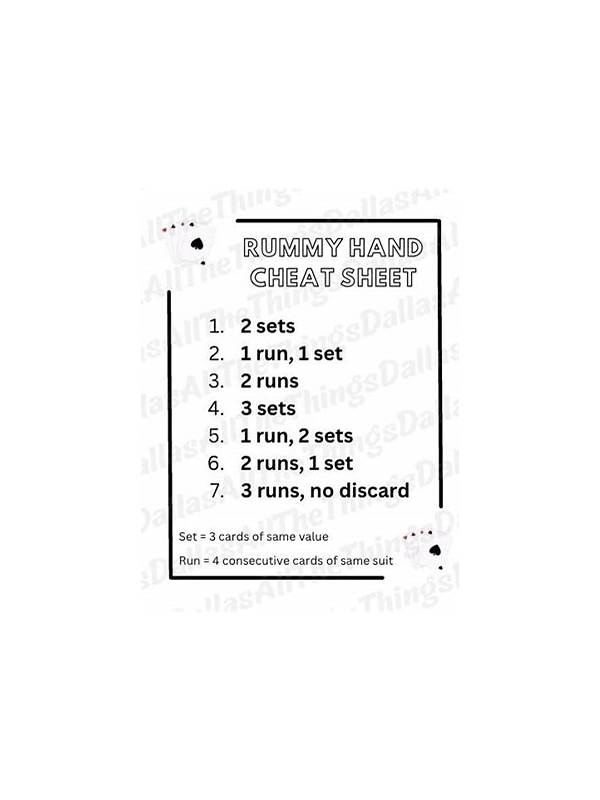
Good organization does not change the cards you draw, but it can change the quality of your decisions. A hand arranged randomly forces you to search for patterns repeatedly. A consistent layout makes confirmed groups, flexible cards, and weak candidates easier to see before you choose a discard.
Begin by placing confirmed sequences together. A confirmed sequence is a group that already meets the relevant rule and does not need another card to be valid. Keep confirmed sets in a separate block. This protects them from accidental rearrangement and reminds you that the decision concerns the remaining cards, not the whole hand.
Place flexible cards next. These may be part of a pair, sit between two useful ranks, or have both a set and sequence possibility. Keep related cards close enough to compare, but do not merge a speculative group with a confirmed one. The visual separation matters because it stops a promising idea from feeling more complete than it really is.
Put isolated or high-risk cards at the end of the hand. This is not an instruction to discard them immediately. It is a prompt to give them a clear reason for staying. When a new card arrives, compare it with the isolated block first. If it improves a flexible group, move it there; if it creates a confirmed group, protect that group and reassess what remains.
Use the same order every turn. For example, you might sort by confirmed sequence, confirmed set, flexible sequence candidates, flexible set candidates, and isolated cards. The exact order is less important than consistency. A stable layout reduces the mental cost of scanning and makes a hand review easier because you can reconstruct the state before each discard.
Do not over-arrange. Constantly moving every card can become a distraction and may make you feel more certain than the hand deserves. Make only the changes that clarify a real relationship. Before discarding, perform one final check: have you protected every confirmed group, counted your flexible routes, and identified the weakest card? This three-part check is usually enough.
After several sessions, notice which layouts help you see mistakes. Some players benefit from grouping by suit first, while others prefer grouping by intended role. Test one layout for a full session before changing it. Organization is a support tool, not a magic advantage, but a clear hand gives your reasoning more room to work.
The layout should remain easy to scan on a small screen as well as a large one. Clear groups reduce missed details when the turn timer is short.
Related Post
Rummy Practice With a Standard Deck at Home
A standard deck and a few structured exercises can teach rummy grouping without an online [...]
Rummy How-To: Use a Card Budget for Each Unfinished Group
A card budget sets a practical limit on how much space and attention an unfinished [...]