Rummy Safety: Recognize When a Session Is Becoming Stressful
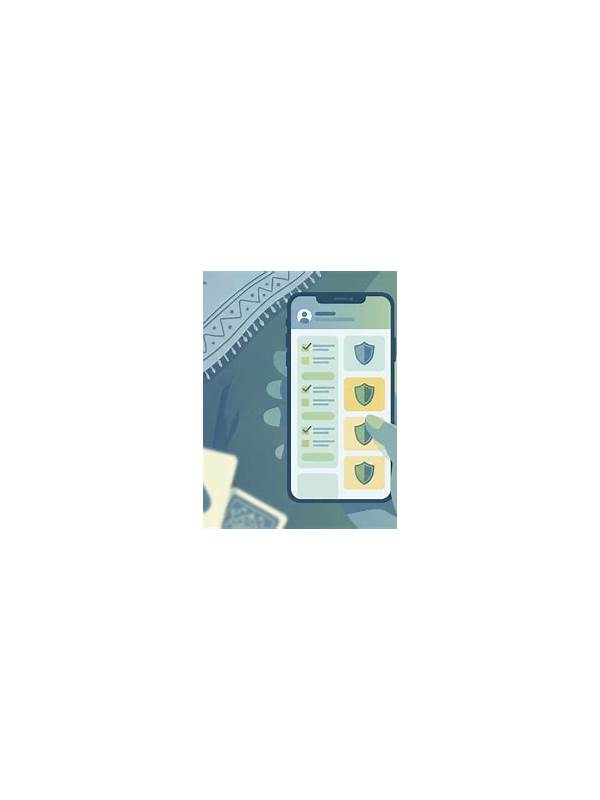
Stress can change how a rummy session feels and how decisions are made. The signs may be subtle: checking the balance repeatedly, rushing each turn, feeling unusually angry at ordinary draws, or thinking about recovery instead of the current hand. Recognizing these signs early makes a pause easier than waiting until control has already weakened.
Before playing, choose a simple check-in question: “Am I comfortable continuing right now?” Ask it after a loss, after a surprising win, and whenever your body feels tense. A negative answer is enough to pause. You do not need to prove that the session is objectively bad. Your state of mind is relevant information.
Stress often narrows attention. You may stop comparing discard candidates and choose the first card that feels available. You may also reinterpret ordinary uncertainty as a personal challenge. When this happens, step away from the table, put the device down, drink water, and take several slow breaths. A short interruption is more useful than trying to force calm while continuing to play.
Do not use another game as a test of whether you feel better. If the pause was triggered by urgency, anger, or loss-chasing thoughts, end the session and review it later. Save a note of what happened: the time, the feeling, the decision pattern, and what boundary you crossed or nearly crossed. The note is for learning, not self-criticism.
If stress appears repeatedly, make the environment safer before returning. Lower the time or spending limit, remove saved payment methods if appropriate, use a break feature, or choose practice-only play. Tell a trusted person if you are having trouble stopping. Persistent loss of control, secrecy, debt, or distress is a reason to seek professional or local support, not a reason to develop a more aggressive strategy.
Responsible play includes permission to stop without finishing a hand. The cards will not reward endurance, and a session does not become worthwhile because time or money has already been spent. A planned pause protects both decision quality and wellbeing. When you can return without urgency, you can decide whether the activity still belongs in your routine.
Friends or family may notice changes that are hard to see from inside the session. If someone you trust raises a concern, listen without treating it as an attack. A pause and an honest conversation can provide useful perspective before the pattern grows.
You are allowed to end a session without explaining the decision to the table. Protecting your limits is a complete reason to leave.
Related Post
Rummy Safety: Recognize Pressure During a Session
Recognizing pressure early can help players pause, protect their budget, and return with a clearer [...]
Rummy FAQ: Can a Discard Be Good Even If It Helps an Opponent?
A discard may still be correct when it has some opponent value if it clearly [...]