Rummy FAQ: Why Do Two Similar Hands Need Different Moves?
Two hands can contain nearly identical cards and still call for different moves. Rummy is shaped by context, not only by the cards in front of you. The discard history, number of players, scoring format, remaining turns, and the requirements for a declaration can all change the best priority.
Public information is one major difference. In one hand, the card you need may already be visible in the discard area. In another, no useful card has appeared and the plan remains plausible. The cards in your hand look similar, but the information around them changes how patiently you should wait.
Score pressure also matters. A player protecting a lead may prefer a lower-variance arrangement, while a player far behind may accept a more ambitious plan if the rules and personal limits permit it. This is not a command to take reckless risks. It is a reminder that the same card choice can have different consequences in different scoring situations.
Time changes value as well. Early in a hand, a flexible connector can justify exploration. Near the end, the same connector may be less important than a card that completes a legal group immediately. Always include a realistic estimate of remaining turns instead of assuming that the hand will continue long enough for every plan to develop.
When comparing two decisions, describe the context before judging the move. Record the public cards, score position, and stage of the hand. Then ask whether the choice matched those conditions. This prevents rigid rules from replacing judgment. Good principles guide decisions, but the table state tells you which principle deserves attention now.
Context also includes your own attention. A choice that is reasonable when rested may be poor when you are distracted or near your stopping time. In those moments, favor clear legal lines and reduce unnecessary complexity. This is not a judgment about skill; it is an honest adjustment to available attention. Note the condition in a review so you do not mistake a concentration problem for a permanent flaw in your card technique.
The broader lesson is simple: compare decisions under matching conditions, and allow the surrounding state to change the recommendation.
That habit keeps strategy adaptable, precise, and grounded in evidence.
Related Post
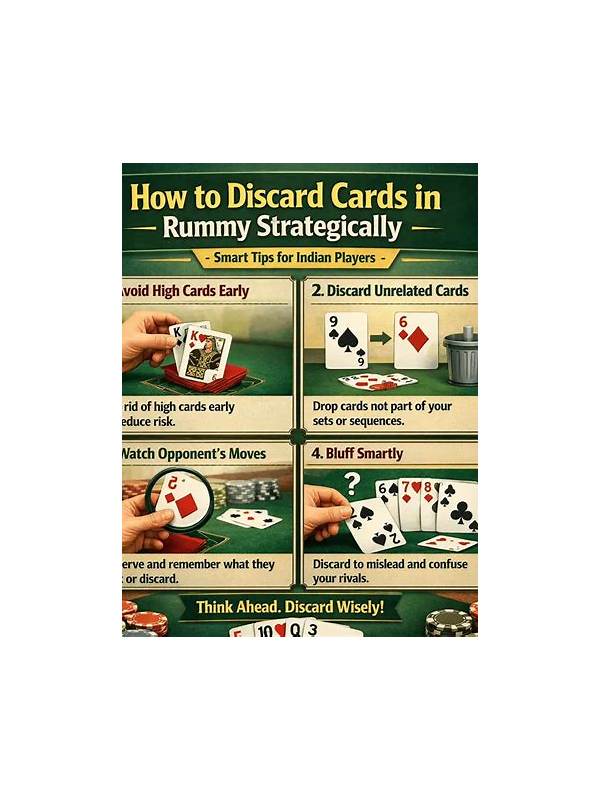
Rummy How-To: Explain a Discard in One Clear Sentence
Explaining a discard in one sentence reveals whether the move has a specific purpose and [...]
Rummy Guide: Prepare for a Weak Opening Hand
A weak opening hand can still be managed with early classification and realistic expectations. [...]