Rummy Comparison: Fixed Sorting and Adaptive Sorting
Card sorting is a visual tool, not a rule of strategy. Some players keep a fixed order throughout a hand, while others rearrange cards as groups develop. Comparing the two methods helps you choose a layout that improves recognition without creating new confusion.
Fixed sorting means cards stay in a consistent order, such as by suit and rank. Its main benefit is stability. You can notice what was drawn or discarded because the other cards did not move. It also reduces accidental rearrangement on a small screen. The drawback is that a potential group may be harder to see when related cards are far apart.
Adaptive sorting means cards are moved into temporary groups such as completed sequences, active candidates, and unmatched cards. This makes the hand’s current plan visible and can support quick decisions. Its risk is that frequent movement can hide changes or cause a card to be placed in a group that looks more complete than it really is.
A useful compromise is a stable structure with limited labels. Keep completed groups in one area, candidate groups in another, and unassigned cards at the edge. Move a card only when its role changes meaningfully. Do not reorganize after every draw just for neatness; rearrangement should answer a question or improve visibility.
Test the layout in practice rounds. Measure whether you can identify your required sequence, penalty cards, and discard candidates without hesitation. Accessibility matters too: larger cards and stronger contrast may be more valuable than a sophisticated sorting scheme. Choose the layout that makes facts easier to see and keeps your attention available for judgment.
Before joining a serious table, test the view with a practice deal. Confirm that selected cards are visibly different, that suit symbols are readable, and that the discard history does not disappear when the hand is rearranged. If the screen remains difficult to read, change the device settings or stop. A layout problem is an environmental issue, not a reason to take guesses. Comfortable visibility improves both accuracy and the ability to notice when concentration is fading.
Do not confuse a tidy screen with a strong hand. A beautifully separated set may still be illegal, and a messy-looking collection may contain several useful connectors. Sorting should expose relationships while leaving the rules and completion requirements in view. If moving cards causes you to lose track of the last draw, return to the fixed layout for a turn. The best system is one you can explain, repeat, and undo. Treat it as a support for observation rather than a source of confidence by itself.
Related Post
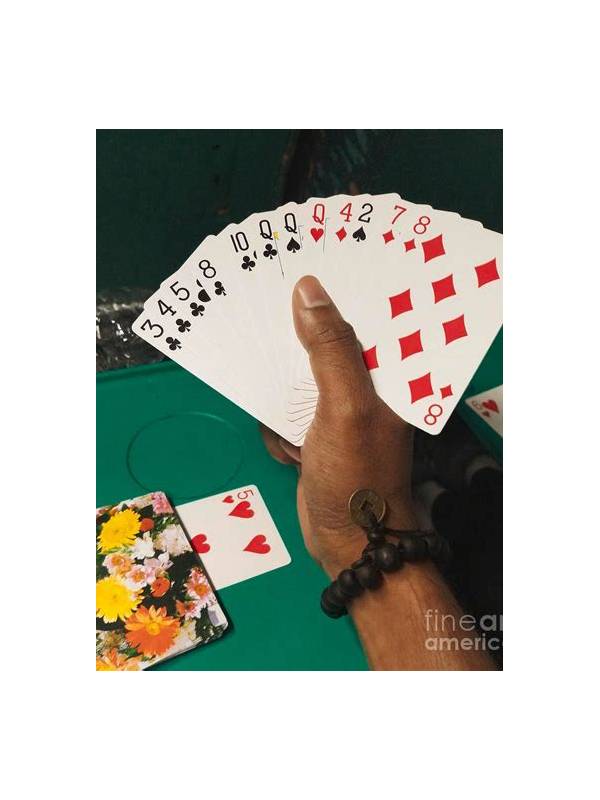
Rummy Practice: Solve a Hand With a Fixed Draw Budget
A fixed draw budget teaches players to evaluate plans by the number of turns they [...]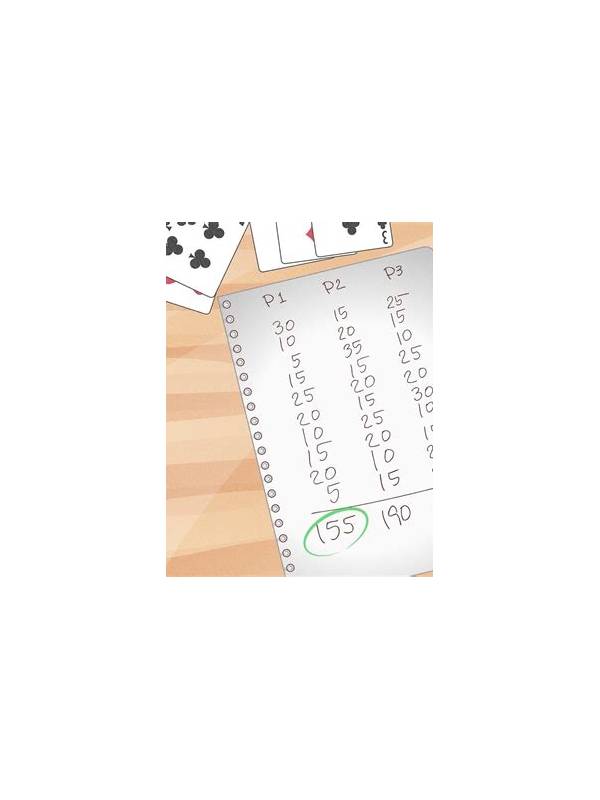
Rummy FAQ: When Should You Check the Table Rules Again?
Rechecking rules at key moments prevents assumptions from turning into invalid declarations or poor choices. [...]