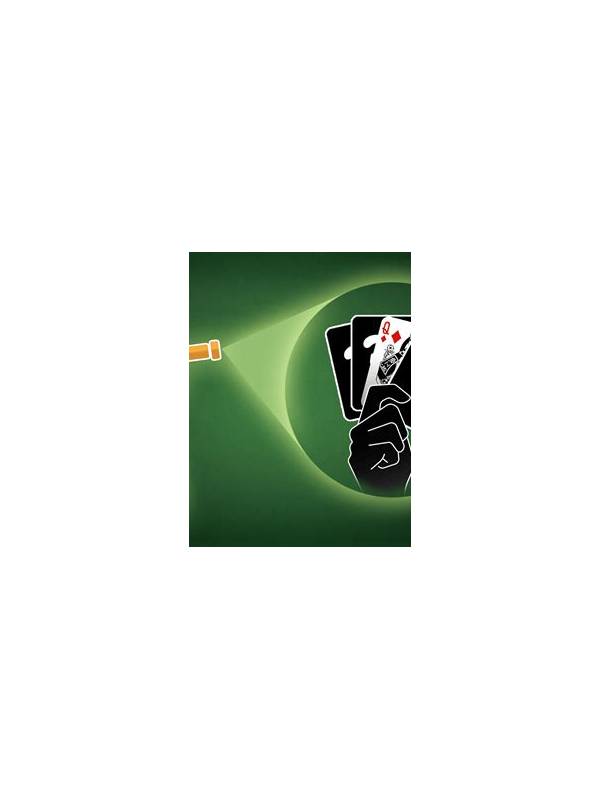
Rummy Guide: Recognize When a Hand Is Becoming Compressed
A hand becomes compressed when several cards depend on a small number of precise draws. It may look organized because pairs and near-groups are visible, yet the overall plan has little room to change. Recognizing compression is useful because it signals a need to simplify before the remaining turns make the problem harder.
Look for shared dependencies. If two partial sequences need the same rank, or multiple groups require one exact suit, mark the overlap. Count how many cards would be stranded if the shared card did not appear. A hand with many attractive pairs can still be compressed when those pairs cannot develop independently.
Check the ratio of committed cards to flexible cards. Committed cards support one plan; flexible cards support more than one. A high number of commitments is not automatically bad when the groups are nearly complete. It is risky when the groups are distant, overlap, or leave high-penalty cards outside the plan.
To decompress, choose the weakest dependency and release one card from it. Preserve the group with the clearest completion route or the lowest cost of waiting. Do not try to rescue every plan at once. A single practical discard can create space for a different connector or reduce the number of assumptions guiding the hand.
Review compression after every meaningful draw. The hand may become simpler when a needed card arrives, or more constrained when a key card is exposed elsewhere. Use the concept as a warning signal, not a rigid formula. When fewer realistic outcomes control more of your cards, prioritize choices that return control.
Compression can be temporary. A single draw may open a route and immediately reduce the hand’s dependence on one outcome. That does not mean the earlier warning was wrong; it means the state changed. Record the transition if you are practicing, then ask which card now has the weakest role. This keeps the concept dynamic and prevents you from applying a label after it has stopped describing the hand.
One way to practice this idea is to deal a sample hand and circle every card that depends on the same missing rank. Count the circles, then remove one candidate and observe how many alternatives appear. Repeat with a different candidate. The exercise shows why reducing one dependency can be more valuable than adding another attractive pair. It also teaches you to notice compression before a real hand becomes urgent. Keep the exercise analytical and free of stakes, because the point is to build a visual habit rather than to create pressure.
Related Post

Rummy FAQ: Why Is a Low Card Not Always Safe to Keep?
Low point value reduces penalty, but it does not automatically make a card useful or [...]
Rummy Safety: Check the Table Identity Before Playing
Confirming the game, variant, and entry conditions protects players from avoidable table mistakes. [...]