Rummy How-To: Build a Suit-by-Suit Discard Watchlist
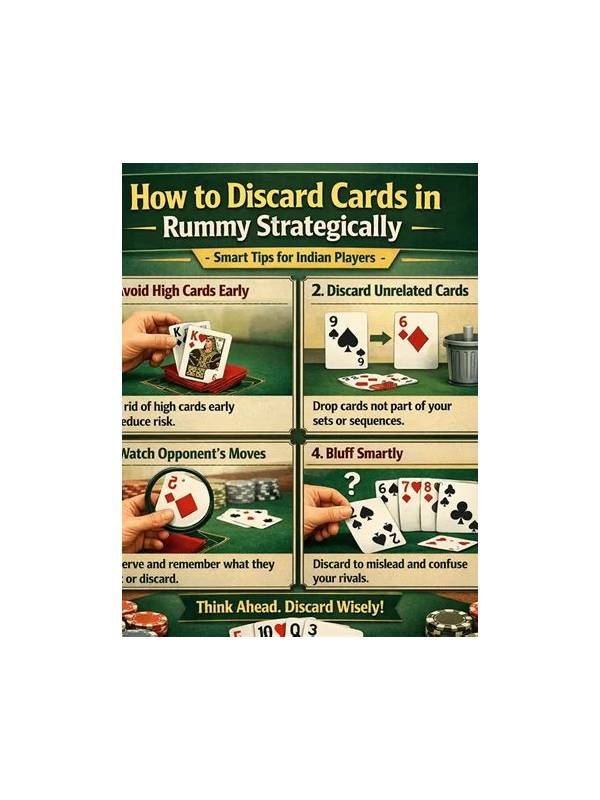
When a rummy hand contains several loose cards, choosing a discard can feel like starting from zero every turn. A discard watchlist gives each suit a quick status. It is not a prediction tool; it is a memory aid that shows which cards are useful, uncertain, or ready to release.
Begin with the cards in your hand arranged by suit and rank. For each suit, identify confirmed sequences, connected pairs, and isolated cards. Write a short label such as “stable,” “one card from a run,” or “no current route.” Keeping the labels brief matters because a watchlist should speed up thinking rather than become another task.
Mark cards that serve two purposes. A 5 of a suit may extend a 4-5 pair, complete a 3-4-5 sequence, or connect a 5-6 structure. These cards should usually stay protected until another route replaces them. Mark cards that serve only one weak possibility with a question mark, not a permanent keep instruction.
Add a discard column. Put high-point singles, duplicated cards with no set route, and cards whose useful neighbors have already appeared in the discard pile under review. The list should contain candidates, not commands. A candidate can become valuable after a new draw, so update it whenever the hand changes.
Use the watchlist during the draw-and-discard cycle. After drawing, check whether the new card creates a confirmed group, improves a branch, or replaces a weak candidate. Then cross out the card you discard and update only the affected suit. This local update is faster than mentally rearranging every card from scratch.
Do not overread the suits. A balanced list does not guarantee a good hand, and a crowded suit is not automatically the best plan. Compare the watchlist with the declaration requirements, point exposure, and turn pace. If the rules require a pure sequence, that requirement gets priority over a visually neat pattern.
At the end of a session, review whether your labels matched the decisions you made. Did “one card from a run” actually have several useful neighbors, or was it wishful thinking? Over time, this tiny record teaches you to distinguish real flexibility from cards that merely look connected. The watchlist works because it makes your reasoning visible and easy to revise. You can keep it mental once the habit is established. Think in three prompts: which suit is stable, which suit has the best bridge, and which suit contains the clearest release candidate? Answering those prompts preserves the benefit without adding paperwork to every turn.
Related Post
Rummy Comparison: Openers That Keep More Options Alive
Compare narrow opening plans with flexible ones to see when preserving options is more valuable [...]
Rummy Practice Without Cards: Use Verbal Hand Walkthroughs
Improve rummy review skills with short spoken or written walkthroughs when a table is unavailable. [...]