Rummy FAQ: Why Does the Discard Order Matter?
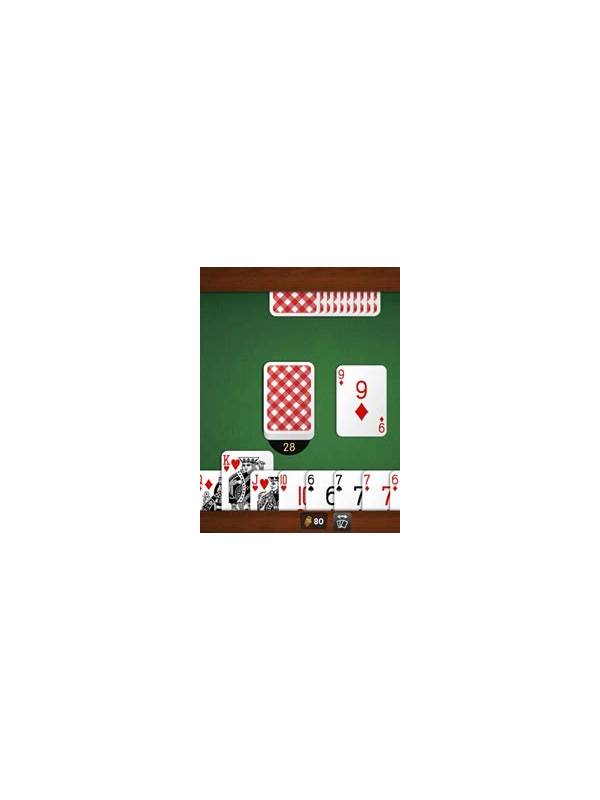
The discard pile is more than a place where unwanted cards go. Its order tells you what is currently visible, what a player chose most recently, and which cards may be available to draw under the rules. It does not reveal anyone’s exact hand, but it can change the quality of a decision.
The top discard is usually the most immediate piece of information. If it is taken, you learn that it fit someone’s current plan, although you do not know whether it completed a group or merely created a possibility. If it is left, that is weaker evidence. A player may have had no turn, no space, or a different priority.
Older discards still provide context. A cluster of cards from one suit may show that several possible routes have been exposed, while repeated ranks can alter the practical value of a set plan. Do not assume every card was discarded for strategy; mistakes, time pressure, and variant rules also influence the pile.
Order matters especially when the game lets you choose from an open pile or when only the top card is available. In the first case, the whole visible sequence may affect your options. In the second, the top card has immediate value and the rest is mainly historical information. Confirm the exact rule before applying a discard-pile idea.
Use a three-level interpretation. First, record the fact: “the 9 of this suit is visible.” Second, note the possible implication: “one route may be less available.” Third, keep uncertainty: “the card may still be held elsewhere.” This prevents a visible discard from becoming an overconfident story about an opponent.
The pile should support your hand plan, not replace it. A card that fits your sequence can be useful even if you cannot explain why it appeared. Conversely, a card that seems to signal an opponent’s plan may still be a poor draw if it leaves your own hand unbalanced.
Review the order after your turn, then return attention to your cards. Good observation is selective. It uses the pile to update routes and risk while accepting that hidden information remains hidden. If you take an older card from an open pile, remember what that action communicates to others. The choice may reveal a route or a need. Information flows in both directions, so draw from the open pile because it improves your hand, not merely to create a misleading impression.
Related Post
Rummy How-To: Make a One-Minute Recovery Checklist
A short recovery routine can restore clarity after an interruption, misread card, or technical pause. [...]
Rummy Decision Quality on a Small Screen
Improve mobile play by separating visual accessibility problems from genuine strategic choices. [...]