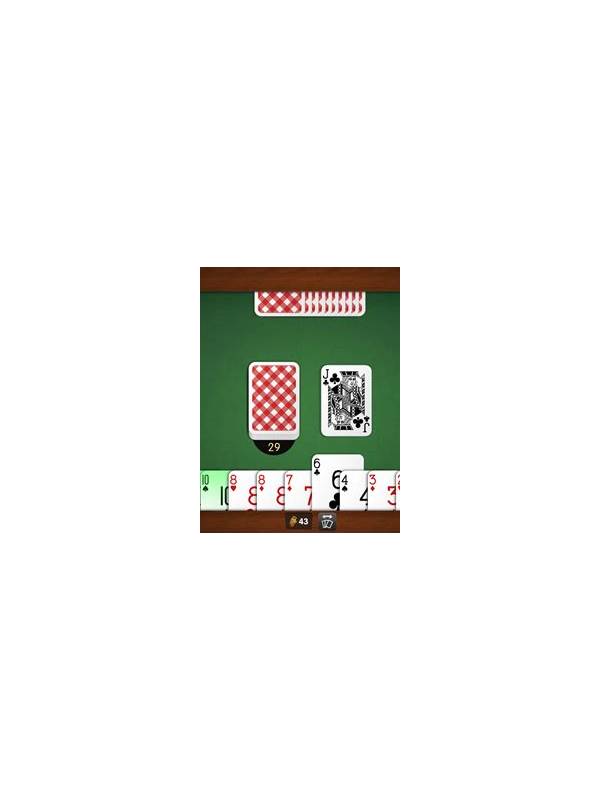
Rummy Guide: Review a Hand From the Declaration Backward
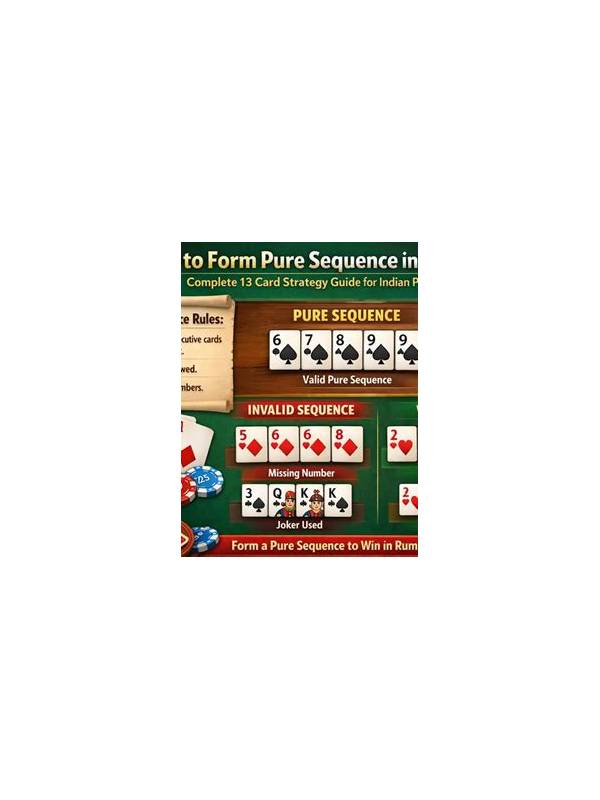
Most players sort a rummy hand from the cards they have toward the cards they want. A backward review reverses the direction. Begin with the declaration requirements, then ask whether the current hand has a realistic route to satisfy each one. This method is especially useful when a hand looks tidy but remains legally incomplete.
Write the finish conditions in plain language. Depending on the format, you may need a pure sequence, additional sequences, and valid sets or groups. Do not rely on memory if the variant is unfamiliar. Then draw an empty outline for each required group. Place confirmed cards into the outlines first, followed by candidates. Any requirement with no credible card route becomes a priority problem rather than a sorting problem.
Next, count dependencies. If two outlines both rely on the same card, the plan is unstable. If one outline is complete but uses a card needed elsewhere, test an alternative before committing. This backward view catches reuse errors, including the common mistake of mentally placing one card into two groups at once.
Now inspect the remaining cards. High-value loose cards may need an early exit, while a modest bridge may be worth holding because it serves an unfinished requirement. Compare each discard by how many declaration conditions remain after it leaves. The best discard is not always the highest card or the card that looks least connected.
Use the backward review at checkpoints, not after every tiny movement. A practical schedule is after the opening sort, after a major draw, and before a possible declaration. Between checkpoints, keep decisions simple. Constantly rebuilding the entire finish can create noise and slow you down.
Practice with hands that contain one deliberate error, such as a duplicated role or a hidden missing pure sequence. Work backward until you find it, then explain which condition exposed the mistake. The exercise builds a habit of checking legality before celebrating a neat arrangement. A clear declaration target gives every discard a purpose while preserving the freedom to change plans when the evidence changes.
This method is also a useful safeguard against premature declarations. Before pressing a declaration control, name each required group and point to the cards that satisfy it. If one group exists only in your imagination, stop and re-sort. The extra check costs little compared with recovering from an invalid declaration. It keeps the final decision connected to the rules rather than to the excitement of seeing several attractive combinations.
Related Post
Rummy Safety: Protect Your Attention During Long Sessions
Planned pauses and a comfortable playing environment help keep decisions deliberate during extended rummy sessions. [...]
Rummy Practice: Spot False Connections in Sample Hands
A solo exercise for identifying cards that look connected but do not form a dependable [...]