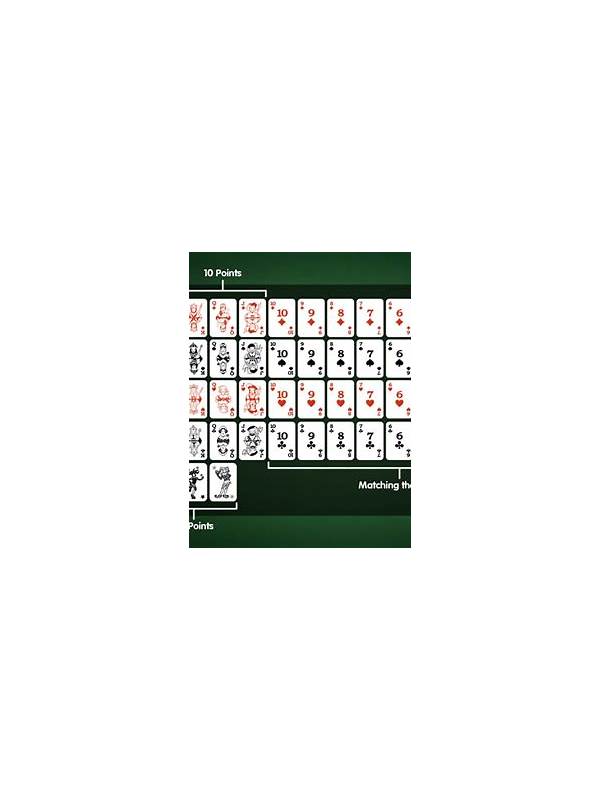
Rummy Comparison: Sorting by Future Use or Current Shape

Sorting a rummy hand by current shape means grouping cards that already look connected. Sorting by future use means placing cards according to the roles they might serve next. Both layouts can be useful, but they answer different questions and can lead to different discards.
Current-shape sorting is fast and concrete. Put confirmed sequences, sets, pairs, and loose cards into visible blocks. This reduces accidental double use and makes declaration checks easier. It is the best first layout when you need to understand what is already present or verify that no card has been misplaced.
Future-use sorting is more analytical. Put cards that share a likely route together, even when the route is incomplete. A bridge card may sit between two candidates, and a high loose card may be placed beside the decision about when to release it. This layout highlights options, but it can also make weak possibilities look stronger than they are.
Use current shape when the hand is nearly complete, the rules are unfamiliar, or you are checking legality. Use future use when the hand is crowded and you must choose between plans. Switch layouts deliberately rather than rearranging constantly. A short sorting action should answer a question; if it answers none, it is probably just motion.
A useful compromise is a two-pass method. First sort by current shape. Then add small mental labels for future roles without physically moving every card. Mark a protected requirement, a candidate route, and a likely discard. This keeps the screen stable while making the decision structure visible.
Review whether the layout improved your next move. If a future-use arrangement helped you see a bridge but delayed a rule check, return to the current shape before declaring. If a neat current arrangement encouraged you to keep a weak group, add a future-use comparison. The strongest sorting method is the one that makes the next legal and proportionate decision easier.
Take a screenshot-free practice approach by writing the cards on paper and trying both layouts. In the first layout, circle what is already valid. In the second, underline the routes that remain possible. Compare which layout helped you answer the next discard question faster. The experiment reveals your own source of confusion and lets you choose a layout intentionally rather than assuming that one sorting style works for every hand. Avoid moving cards simply to make the display look orderly. Every rearrangement should support a legality check, a route comparison, or a discard decision. This rule reduces visual noise and leaves more attention for the information that can actually change your move.
Related Post
Rummy FAQ: How Does the Discard Pile Change Your Plan?
The discard pile offers clues about available cards, opponent interests, and when a hand needs [...]
Rummy FAQ: When Is a Safe Discard Too Predictable?
A low-risk discard can still be unhelpful when it repeatedly exposes the same pattern to [...]