Rummy FAQ: Should You Keep a Card That Helps Two Groups?
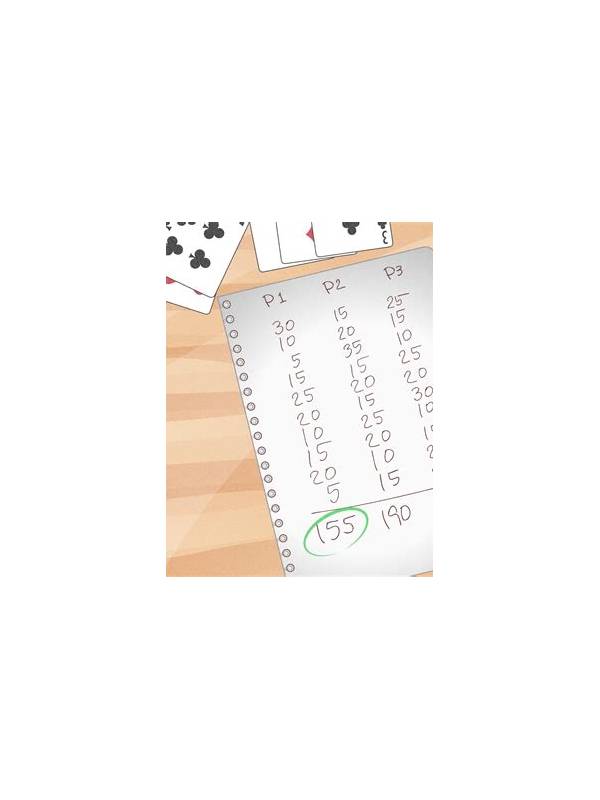
A card that appears to help two groups can be one of the most attractive cards in a rummy hand. It may connect to either of two sequences or complete more than one set. However, flexibility is not automatically strength. The card may be useful only in theory, or keeping it may delay the formation of a required group.
Count real routes
List the specific cards that would make each use successful. If one route needs a single available connector and the other needs two precise cards, the uses are not equally strong. Also check whether the table rules allow the resulting group. A card’s flexibility should be measured by legal, plausible improvements rather than by the number of arrangements you can imagine.
Check the cost of holding it
Keeping the flexible card means releasing something else. Compare the discarded card’s penalty, usefulness to opponents, and role in your fallback. If you are giving up a confirmed group or a safe low-value card, the flexible card must offer a meaningful advantage. Do not let an attractive future possibility hide an immediate structural cost.
Ask whether the routes conflict
Sometimes the two uses compete for the same supporting card. A middle rank may appear to fit two sequences, but both plans may depend on one narrow draw. If the routes share a bottleneck, treat them as one fragile plan rather than two independent options. Independent routes deserve more weight because an improvement to one does not eliminate the other.
Set a review point
If you keep the card, decide when you will reassess it. The review might occur after one draw, after the visible pile changes, or when a second group becomes confirmed. A deadline prevents a flexible card from staying in the hand merely because it has been there for several turns. When the review point arrives, compare it with current evidence, not with the original excitement.
Prefer useful flexibility
The best flexible card supports a realistic route, carries manageable penalty, and leaves a fallback if neither route arrives. A merely adaptable card keeps many stories alive but does not finish any of them. That distinction helps you choose with discipline.
Keeping a two-purpose card can be correct, but the decision should survive a route count, a cost check, and a review deadline. Flexibility is a resource to manage, not a reason to postpone every discard.
Related Post

Rummy Safety: Build a Pre-Play Device Check
A short device routine can reduce avoidable interruptions and account risks during digital rummy. [...]
Rummy Card Memorization: Practical Limits for New Players
A measured memorization routine can improve observation without creating unrealistic expectations. [...]