Rummy Guide: Read the Table Rules Before the First Deal
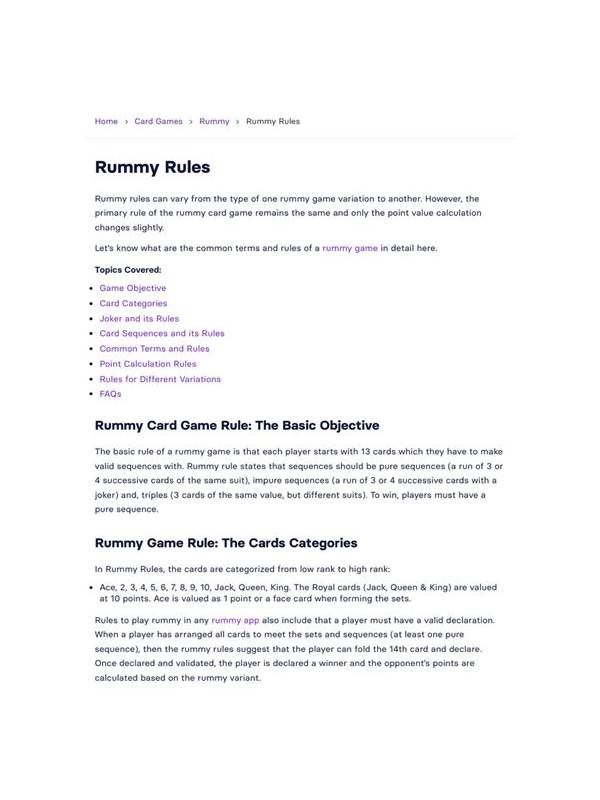
Joining a new rummy table is easier when you treat the rules panel as part of the game setup rather than as fine print. Even familiar formats can differ in turn length, declaration requirements, joker treatment, scoring, or what happens after a connection problem. A two-minute check gives you a clearer mental model before cards begin moving.
Start with the objective. Confirm whether the table uses points, pool, deals, or another format, and note what counts as a winning hand. In a points format, the score may be settled every round; in a pool format, the important question may be whether a player is eliminated after reaching a threshold. The same hand can feel very different under each structure.
Next, look for the hand-shape requirement. Many Indian rummy games require at least one pure sequence, but the exact number of sequences and the permitted use of jokers should be visible in the rules. Do not rely on memory if the interface offers a help panel. Write down the requirement in plain language: for example, “one natural run first, then remaining groups.” That sentence is easier to use during a fast turn than a paragraph of formal wording.
Check the timing and turn controls. Find out how long you have to draw and discard, whether the timer pauses during a reconnect, and whether an automatic action occurs after time expires. Also identify the location of the draw pile, open pile, sort button, and declaration control. Knowing where controls are located reduces the chance of tapping the wrong action when the clock is running.
Finally, review the scoring examples, cancellation rules, and responsible-play options. If entry conditions, limits, or age and location restrictions apply, understand them before joining. A practice table is often the best place to test the interface without pressure.
The goal is not to memorize every sentence. It is to answer five questions: What am I trying to form? How is a win checked? How is a loss scored? How much time do I have? What should I do if something goes wrong? Once those answers are clear, the first deal becomes a decision exercise instead of a navigation test. If the rules are unclear, do not fill the gap with a guess from another platform. Save the question, use the official help material, or choose a practice option while you verify it. The few minutes spent confirming a rule can prevent an entire session from being based on the wrong objective.
Related Post
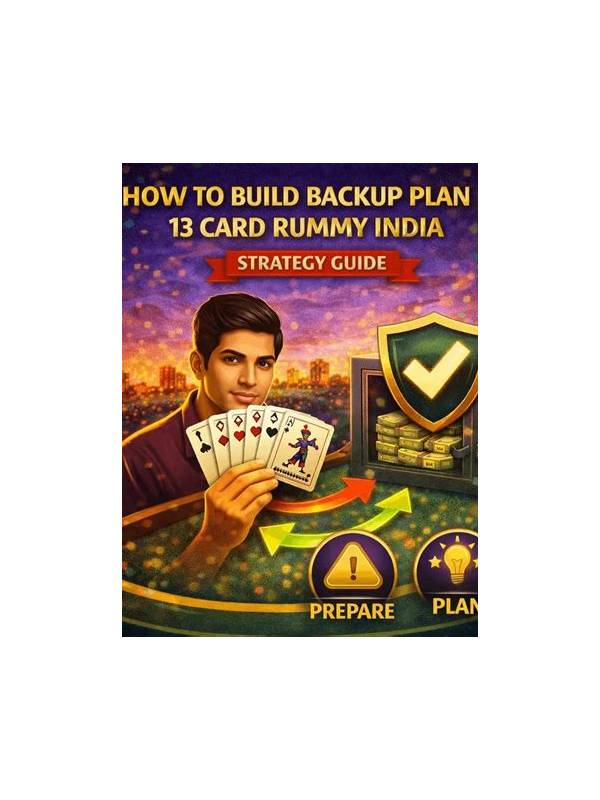
Rummy Tips: Make a Backup Arrangement Early
Keep one secondary route visible so a failed primary plan does not leave the hand [...]
Rummy Comparison: A Pair Search Versus a Sequence Search
Comparing pair-building and sequence-building shows when each route offers a clearer completion path. [...]